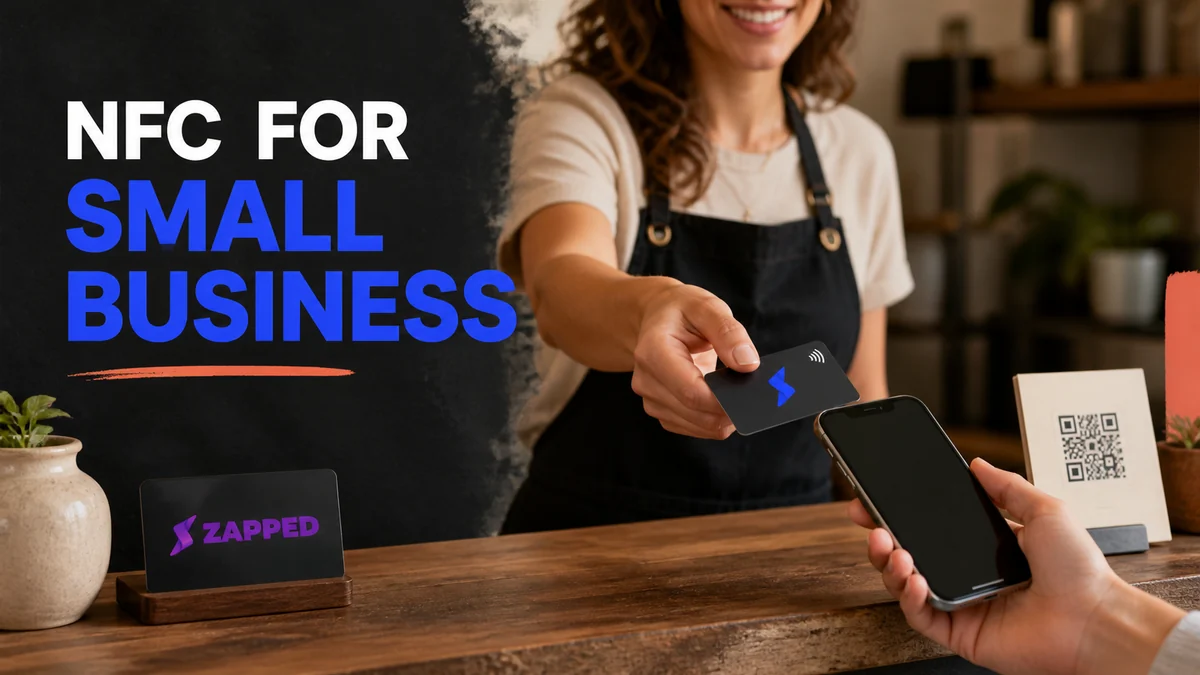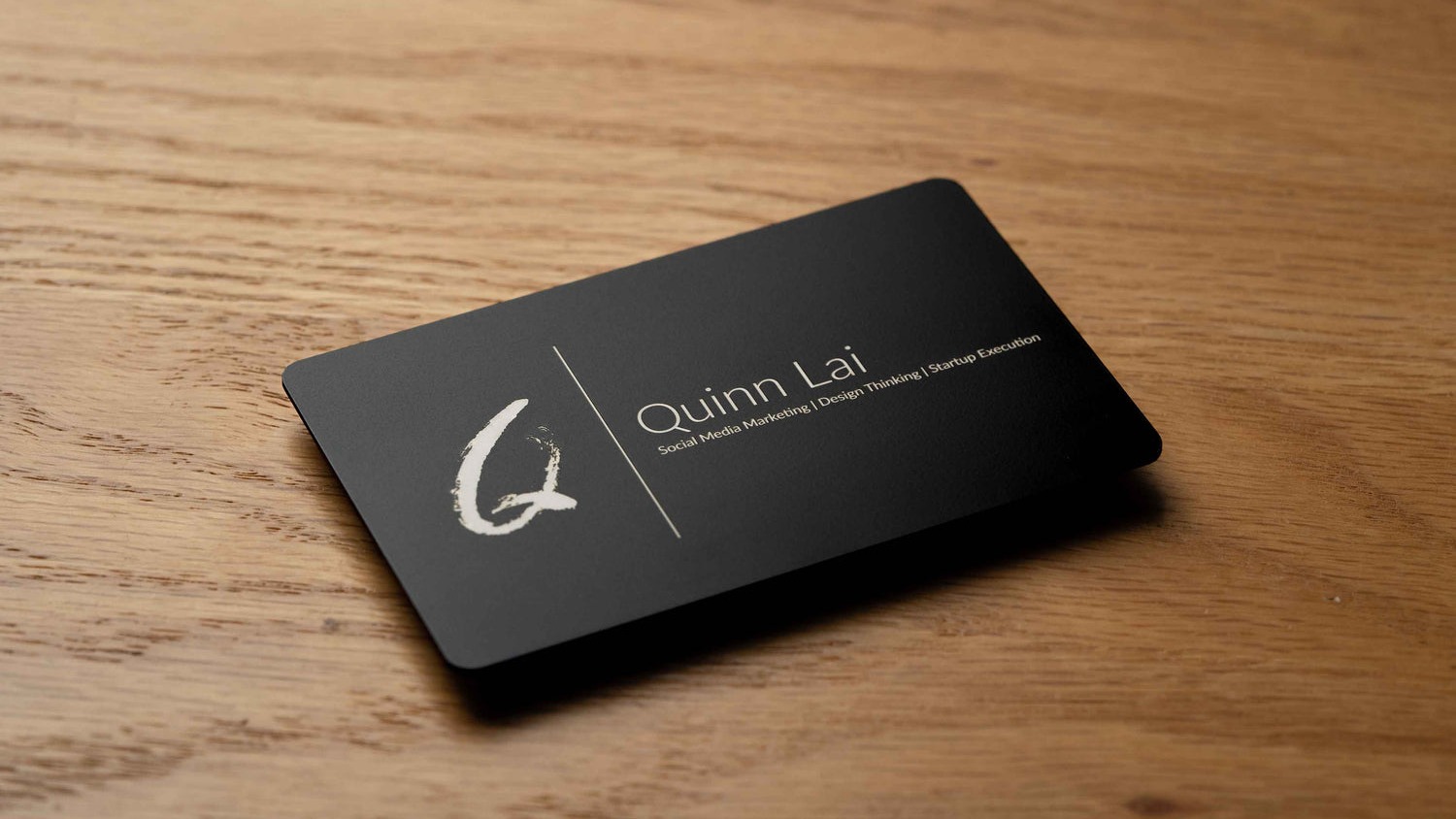
A consultant's NFC card has one job: land the visitor somewhere that explains who you are and what to do next. The tap is three seconds of the relationship. The page it opens is the part the prospect actually remembers, and it's the part most consultants never design.
So keep the card's job narrow. One clear public destination, a page that makes your role obvious, one visible next action when you have one, and a fallback within reach for the phone that refuses to play along.
The short answer: the destination matters more than the tap
Treat the NFC card as a handoff cue, not the whole introduction. The destination could be a concise public profile, an expertise page, a booking route if you offer one, or a direct contact page. Whatever you pick, keep a QR code or typed public URL nearby as the fallback.
Let the conversation pick the page. A visitor who needs context should land on a profile or landing page. When the intended action is singular, a booking request, one contact route, send them straight there and keep the fallback close at hand.
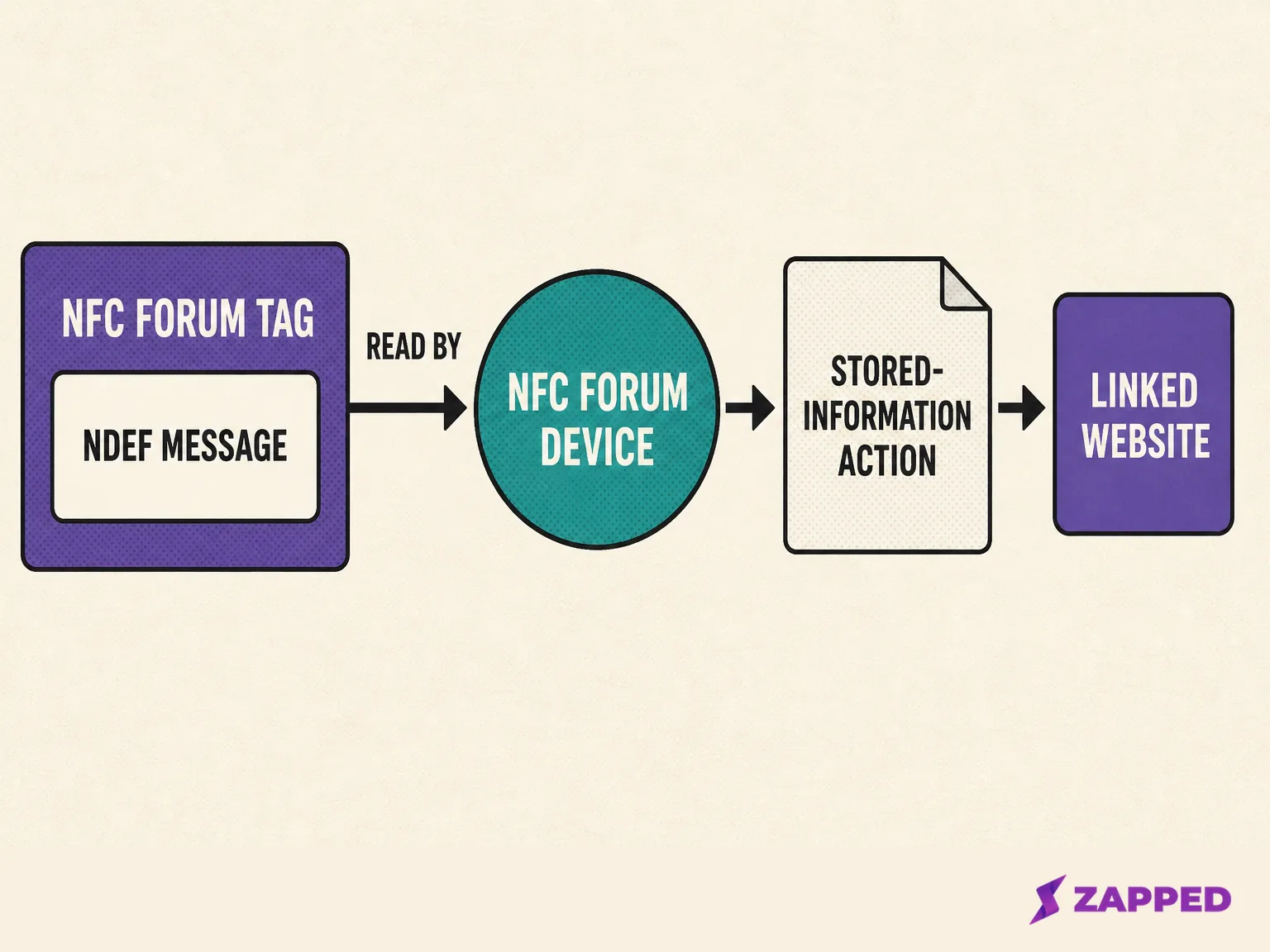
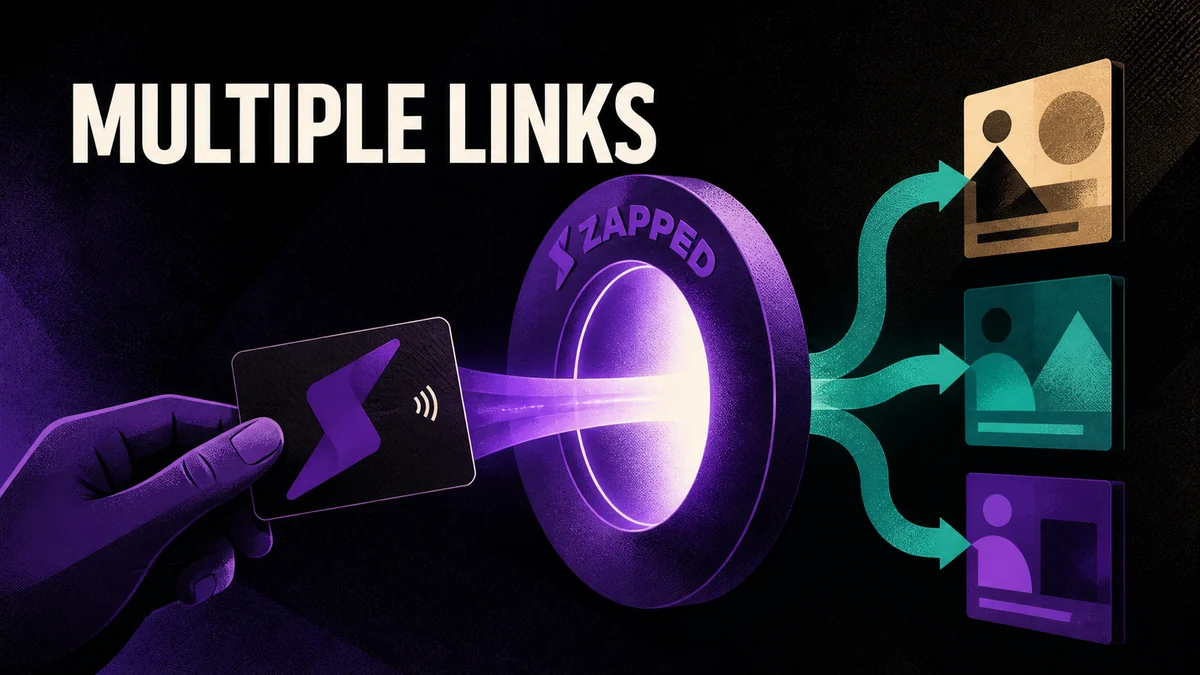
How a tap becomes a page: the reading device acts on the information stored in the tag.
What the NFC route actually documents
The NFC standards are refreshingly unglamorous about what a tap does. The NFC Forum's NDEF specification describes NDEF as a common data format for NFC Forum compliant devices and tags.
The NFC Forum's technical overview gives the relevant boundary: an NFC Forum Device reading an NDEF message from an NFC Forum Tag initiates a specific action based on the stored information. Its table gives Internet Link as "Show the linked website."
The NFC Forum URI record specification describes storing a Uniform Resource Identifier through the RTD mechanism and NDEF format. That's the whole trick: the chip can identify a web destination, and everything the visitor experiences afterwards depends on what that public destination says and offers.
Which is why the fallback isn't optional. Before relying on a tap, keep a QR code or typed public URL available for the phone that won't read the card.
Start with role clarity, then make the destination useful
Before choosing a destination, make your role and responsibilities easy to understand. IMC USA guidance recommends documenting them clearly and transparently. That principle predates NFC cards entirely, and it shapes the page a visitor reaches better than any hardware choice does.
Then choose the next step you actually want. A public profile introduces you. An expertise or proof page adds context. A booking route helps when you genuinely offer one. A concise contact page fits a conversation that already has a defined purpose.
Match the destination to the conversation
Use Zapped's next action framing to choose one possible destination and one possible next action for the conversation. The pairings below are illustrations to steal from, not survey data.
| Moment | Destination | Next action | Fallback |
|---|---|---|---|
| First introduction | A concise public profile or contact page | Save details or choose the contact action the page actually offers | QR code or typed public URL |
| Referral or event conversation | A public profile or relevant expertise page | Open the page that best explains the consultant's role | QR code or typed public URL |
| Discovery conversation | A booking or briefing route, when the consultant actually offers one | Request the next conversation | QR code or typed public URL |
| Specialist handoff | A relevant service or case study destination, when available | Continue to the specific service context | QR code or typed public URL |
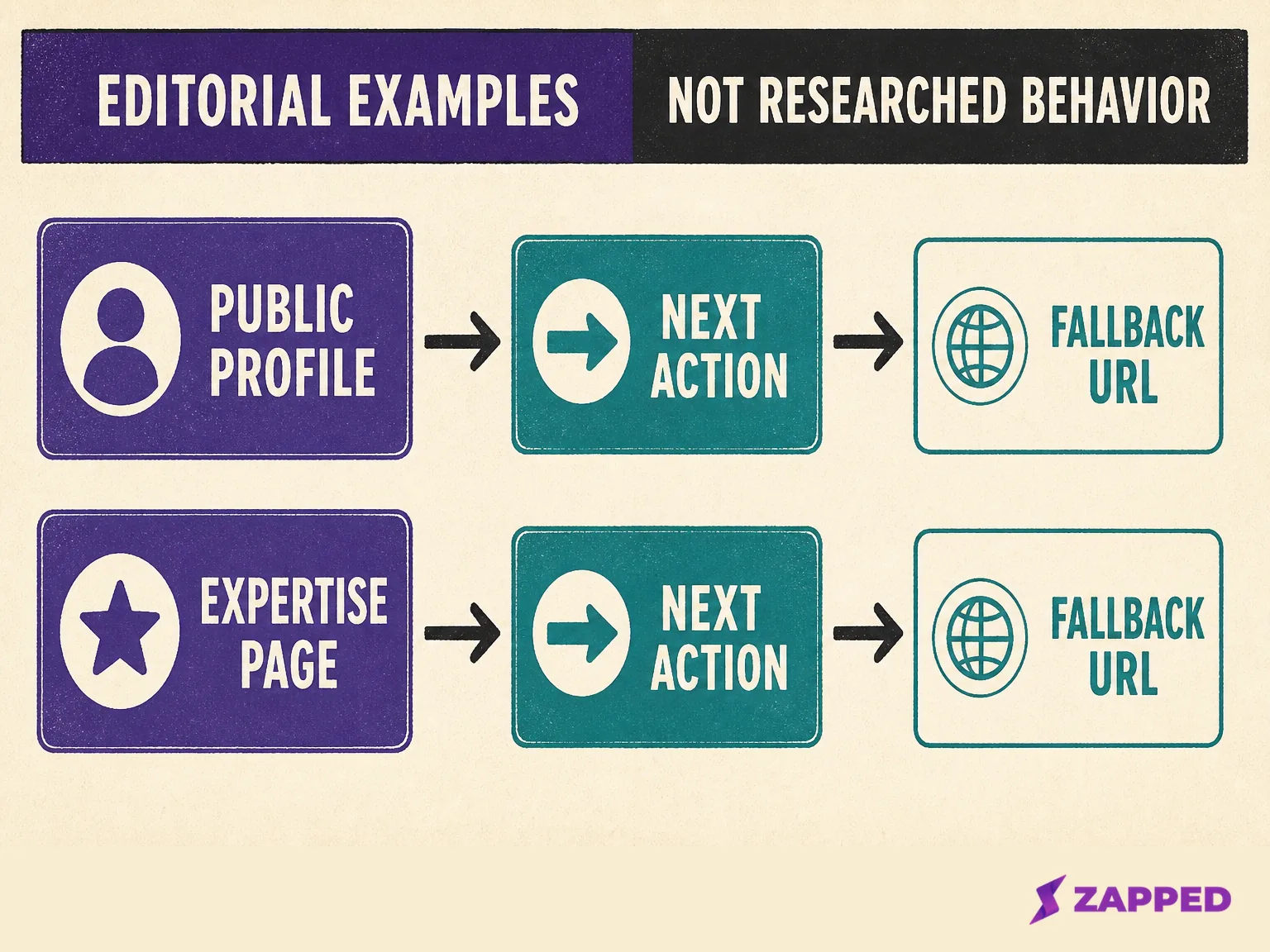
Pairings of moment, destination, and fallback to adapt to your own practice.
For a public profile example, LinkedIn's help page for public profile URLs documents a URL that users can customize and share. Not every consultant lives on LinkedIn, but a customizable public URL is exactly the shape of destination a card handoff needs.
Write the public URL, not the editor address
Here's the mistake that actually embarrasses people. In the Zapped example, the NFC programming guide says to write the public Zapped card link to an NFC card. Our guide also distinguishes the public card URL from the editor address. Send visitors to the page intended for public viewing, not the place you use to manage it. A prospect who taps into your editing dashboard's login screen learns something about you, and it isn't your expertise.
The broader act of programming a card is its own topic. If you're still deciding which kind of card belongs in the handoff, start with our guide to NFC business cards.
Keep a qualified fallback beside the handoff
In our programming guide, Zapped recommends keeping a QR fallback when a visitor's phone has NFC disabled or unsupported. That's a platform recommendation, not a measured scan success rate, but the logic holds anywhere: some phones won't tap, and the conversation shouldn't stall while you both stare at one.
Keep a typed public URL visible or easy to request, and point it at the same destination. The aim is continuity. The prospect shouldn't be able to tell whether the tap or the QR code did the work.
Keep the public destination maintainable
For Zapped specifically, our homepage says that an NFC card and shared links can keep pointing to the latest profile version. Check whether your own platform documents the same behavior before relying on it, because a card you can't repoint is a reprint waiting to happen.
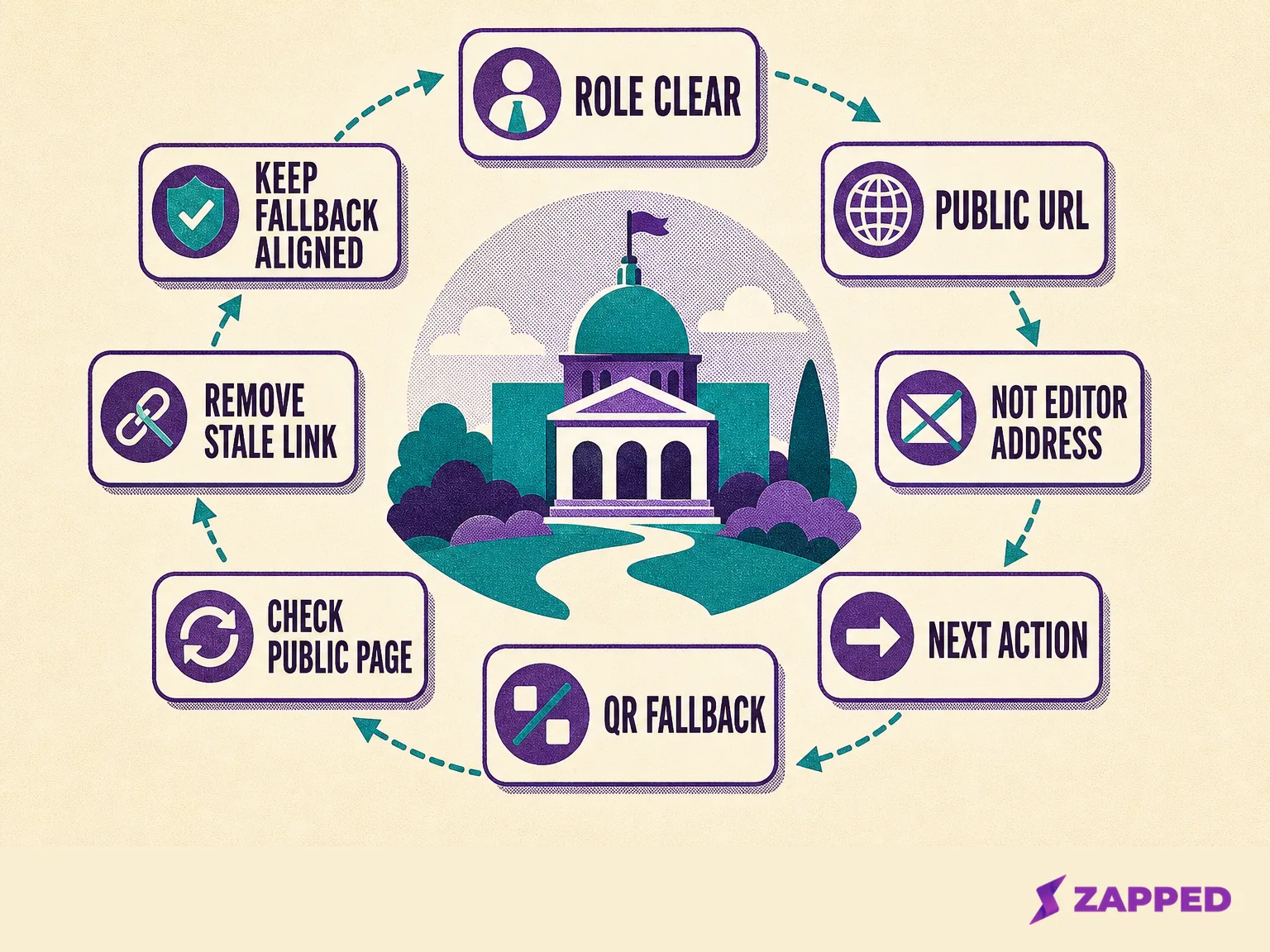
The five checks that keep the public destination and fallback aligned.
The maintenance itself is quick:
- Check that the public page still explains your role clearly.
- Remove destinations that are stale, confusing, or no longer relevant.
- Keep the next action visible while you still offer it.
- Revisit the destination when your offer or audience changes.
- Keep the QR code or typed public URL aligned with the intended page.
Run through the list whenever the offer changes. It takes five minutes, and it's the difference between a card that stays current and a card that quietly advertises last year's practice.
When a direct destination is clearer
Use a profile or landing page when the visitor needs meaningful choices: role context, relevant expertise, a way to continue. A direct destination wins when the intended action is singular, one public contact route, one briefing request page.
Keep the first screen focused either way. If several explanations compete before the visitor knows what to do, simplify the page or choose a more focused destination. A confused prospect doesn't scroll; they close the tab.
The narrow handoff rule
Clarify your role. Choose one public destination. Keep the next action visible while you offer it. Preserve a QR code or typed public URL as the fallback. Then review the page whenever the offer changes.
We'd spend the design effort in exactly that order: the page first, the fallback second, the card last. If you're still deciding which card to buy, the broader selection guide covers that. For the handoff itself, role clear, destination focused, next action visible.
The pricing math for a consulting practice
Most consultants evaluating NFC cards fall into one of two patterns. Solo practitioners usually need one card and one profile, which makes the free tier of any platform a genuine starting point rather than a demo. The card itself costs between five and thirty dollars depending on material, and the profile is where the recurring cost lives.
Boutique firms with three to ten consultants have a different calculation. The per-seat subscription on any platform multiplies quickly, so the question shifts from "does this card work" to "what does the team tier actually add." Team dashboards, shared analytics, and admin controls are the features that justify paying monthly rather than buying cards and using free profiles. If those features don't map to how the firm actually tracks leads, the simpler setup is the better buy.
Sources
- 2026-08-10: NFC Forum NDEF Technical Specification
- 2026-08-10: NFC Forum Technical Overview
- 2026-08-10: NFC Forum URI Record Technical Specification
- 2026-08-10: Zapped NFC programming guide
- 2026-08-10: Zapped homepage
- 2026-08-10: IMC USA consulting client expectations guidance
- 2026-08-10: LinkedIn public profile URL help