A white label digital business card platform is ready for resale only when you control the customer facing brand and the operating relationship around it. A logo on the card is useful, but it is not the same as owning the domain, dashboard, client login, billing, support path, and recoverable card data.
That distinction matters the first time a client follows a polished card into a provider branded login. The card looks like your service. The account tells a different story. A logo can sell the first impression; the dashboard decides whether you own the relationship.
Count the surfaces, not the logos
Start by listing every surface a client or their customer will see: the public card, domain, dashboard, login, signup flow, email, reports, and support path. Public card branding answers one small question. Full white label answers who appears to operate the service.
wCard.io documents the deeper version: a reseller can use a custom domain, logo, colors, branded email, landing page, and branded login and signup pages. It also documents the operating pieces that make those surfaces believable, including company admins, reserved seats, client pricing, subscription management, analytics, and revenue reports. A reseller can connect its own Stripe account and receive subscription revenue directly.
Uniqode describes a lighter but still useful brand layer in its white label guide. Its white label route applies brand assets to the cards, changes card styles, background colors, and fonts, and removes Uniqode branding from email reports while adding analytics and lead collection. That is meaningful control over the card and reporting experience. It is not, by itself, evidence of separate client portals or reseller controlled billing.

The practical test is simple: ask the vendor to show the client login, the admin dashboard, a branded email, and the account a client receives after signup. If the answer covers only the profile page, you're buying branded output, not a complete reseller operation.
Put the commercial relationship under the microscope
The price of a card is rarely the price of the service you're promising. You need to know whether the vendor charges you for seats, lets you set client pricing, takes a share, or hands you a fixed license that you operate yourself.
The documented price spectrum looks like this when checked in August 2026:
| Operating model | Dated public price | What the offer documents |
|---|---|---|
| Swft Connect reseller | $99 per month | Unlimited users, no upfront costs, onboarding, training, client dashboards, domains, and branding |
| QR vCard Pro Agency | $399 once | Unlimited client sites, no per client fees, white label options, lifetime updates, and a WordPress plugin |
| Uniqode Team | $6 per user per month | Annual billing, with no monthly plan listed |
| HiHello Business | $5 per user per month | Annual billing for 5 to 100 users; Enterprise is custom for 101 or more |
| Lemontaps Business Share | $3.99 per user per month | Annual billing for 5 to 19 users; custom domain is an add on |
Those numbers describe different businesses. Swft Connect starts with a recurring reseller relationship and says each client can have its own dashboard, domain, and branding, with no data shared between client systems. It also describes branded NFC card fulfillment through integrated partners. The public page doesn't show the full plan ladder, so your margin still needs a written quote.
QR vCard Pro is the clearest fixed cost fallback when recurring platform fees are the main concern. Its Agency license includes unlimited client sites, bulk import, team roles, manager analytics, contact capture, and a renamed plugin with custom portal colors and logo. The boundary is explicit: this is a WordPress model, so the agency is taking on that operating environment.
wCard.io asks for a custom quotation rather than publishing a reseller number. That's not a pricing flaw by itself. It does mean the commercial conversation has to cover your client price, Stripe ownership, subscription revenue, support responsibilities, and what happens to the account if the relationship changes.
The team plans need a different reading. HiHello Business and Lemontaps Business Share can be economical for an agency managing its own staff, but a per user plan isn't automatically a client billing system. Price the admin labor, client separation, renewals, and support path along with the seat count.
Decide whether you are reselling or managing your own team
There are three sensible categories, and confusing them is where proposals get expensive.
A reseller first platform should let your client see your brand at the card, domain, login, email, dashboard, and billing layers. wCard.io documents that stack directly. Swft Connect documents client dashboards, domains, branding, and separated client systems. Those are the strongest public signals in this group for an agency that wants a client facing product rather than a branded card generator.
A branded team platform is for an organization that owns the users and wants centralized management. HiHello Business lists bulk card creation and permissions, centralized user management, subteams, custom domains, white labeling, role based access control, and team plan details covering event lead capture, team analytics, SSO, and directory sync. Lemontaps Business Share lists team controls including an admin dashboard, bulk management, custom branding, a white labeled profile page, roles and permissions, and a custom domain add on. Business Connect adds lead form configuration and CRM sync.
If the real brief is your agency's own team, a broader team rollout guide is the better next stop. If the brief is ten separate clients with ten separate renewal conversations, ask the vendor to demonstrate that separation before you put its name anywhere in your proposal.
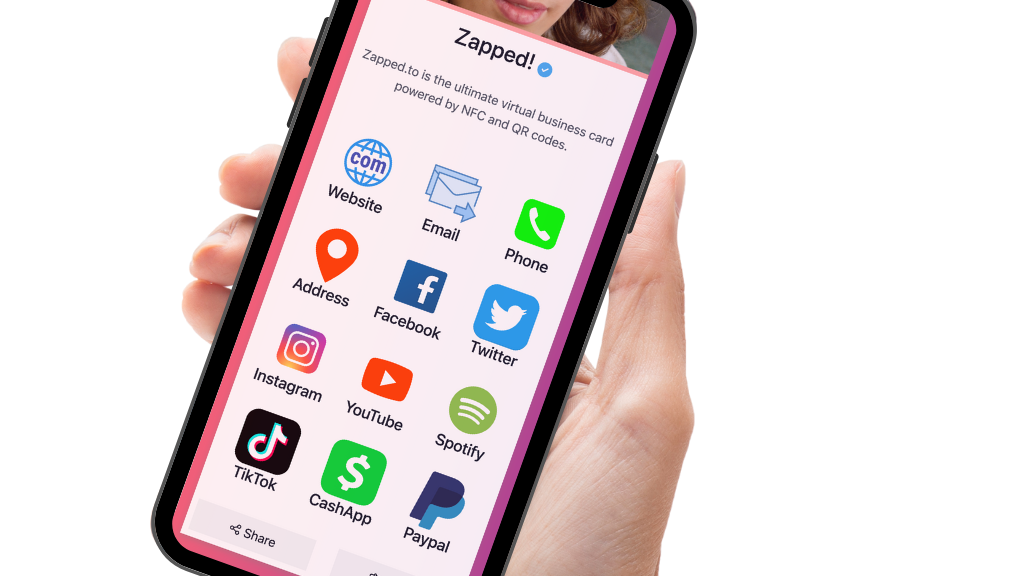
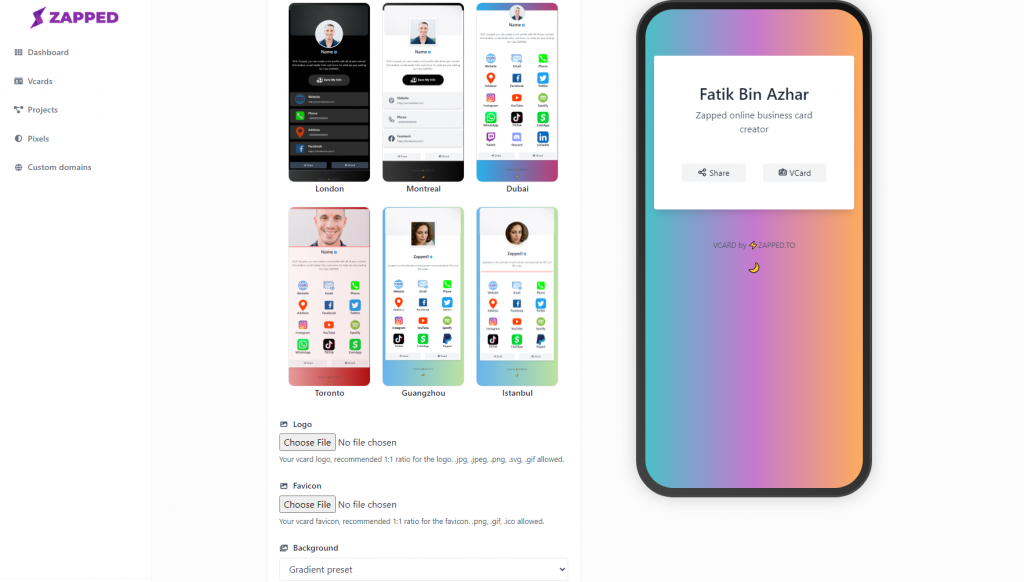
At Zapped, we fit the branded team category when custom domains and a clean public card matter. Our Professional feature matrix lists 50 custom branded domains, five team workspaces, ten members per workspace, and your branding only with no Zapped badge, along with custom CSS and JavaScript and API access. Our public pages checked in August 2026 describe team and brand controls; a reseller still needs written confirmation of per client dashboards and reseller controlled client subscription billing.

Make onboarding and permissions part of the offer
A platform can look perfectly white label until the first client needs a seat, a template, or a restricted editor. That's when the dashboard becomes part of your product.
wCard.io documents individual and company onboarding. Individuals can self sign up or be added manually. Companies can have company admins and seats allocated up front. That is a useful distinction if you sell a managed package with a defined number of users rather than letting every client improvise their own account structure.
HiHello documents access controls covering bulk creation, subteams, permissions, and role based access control. Lemontaps documents bulk management and roles. QR vCard Pro's Agency offer includes team roles and manager analytics. Cardova adds CSV or API generation, wallet passes, and a white label dashboard, which makes it a better fit when distribution volume matters as much as the profile design.
Zapped gives you Admin, Editor, and Viewer roles, with scopes that can be limited to selected projects or selected cards. The owner retains control of billing, API keys, purchases, team ownership, and member administration. That is a useful governance boundary for a team workspace: an editor can work on cards without quietly becoming the person who controls the account.
Don't promise a client that “your team can manage everything” until you've mapped four things: who creates users, who approves card destinations, who can see analytics, and who can change billing. A polished invitation flow doesn't replace that map.
Treat capture and analytics as separate buying decisions
A digital card can be a contact page, a lead path, or both. Decide which one your client is paying for.
Uniqode documents analytics and lead collection. HiHello Business includes event lead capture and team analytics, and Lemontaps Business Connect adds lead forms and CRM sync. QR vCard Pro lists a contact capture dashboard and manager analytics. Cardova documents campaign specific lead forms with CRM redirects. These are materially different promises from “the card has a QR code.”
Zapped works well when the job is sharing and measurement around a branded card. A card can open by QR code, NFC tap, or link in a normal browser without asking the recipient to install an app. Its analytics provide per card history, with the available history determined by plan, so an agency can compare networking moments rather than hand over a profile with no feedback loop. Zapped also offers approved destinations, team workspaces, and a custom quote for large rollouts.
The limit is worth stating plainly. At Zapped, our product center is card creation, sharing, capture, and analytics. If a client needs automated CRM follow up, verify the handoff it expects. If you're promising a full reseller back office, choose a platform whose client billing and portal behavior are documented.
Check scale and distribution before the first event
Scale is more than the number of cards. It includes how quickly you can create them, where they live, how a client distributes them, and whether every new account creates another manual task.
Cardova's CSV or API generation and wallet passes suit a repeatable agency workflow. QR vCard Pro lists unlimited client sites and bulk card import. Swft Connect adds branded NFC fulfillment through integrated partners, which matters if the offer includes hardware as well as a digital profile.
HiHello's Business plan is sized for 5 to 100 users, with Enterprise for 101 or more. Lemontaps moves to custom, volume based pricing above 20 users and adds SSO, user sync, a REST API, a dedicated customer success manager, and priority support at Enterprise, as listed on its pricing page. Those thresholds change the quote faster than another theme or template will.
Zapped's Professional plan lists five workspaces and ten members per workspace, while its large rollout offer is a custom quote for 100 or more cards, bulk uploads, dedicated domains, and custom integrations. That gives a growing team a documented path from a small branded workspace to a larger rollout. At Zapped, client billing and client portal ownership remain questions for the sales conversation if you are packaging the service for resale.
Write the cancellation question into the contract
The awkward question is also the useful one: what does the client still have when the subscription changes or the platform relationship ends?
Uniqode states on its pricing page that free cards remain free forever. Team and Business+ cards remain accessible while the account subscription is active and remain available for the paid subscription period after cancellation. That gives an agency a documented window to plan a change, although it does not answer every question about export, ownership, or migration.
Swft Connect's public white label page describes client dashboards, domains, branding, and separated data, but it doesn't state what happens to client dashboards or cards when the reseller subscription ends. Treat that silence as a contract question. Don't fill it with optimism, and don't make a client promise until the answer is in writing.
For every vendor, ask for a live view of the dashboard, login and email branding, client separation, export and recovery behavior, billing ownership, and the exact plan required for each surface. Ask what remains available during a paid period after cancellation. Ask who can retrieve the card data. If the vendor won't answer, run a small internal pilot on a branded team plan and keep the client promise narrow.
The decision in plain English
Start with the offer you plan to sell, then match the platform to the relationship behind it.
If the client should see your brand at the login, dashboard, billing, and renewal layers, wCard.io is the clearest documented fit. Swft Connect points in the same direction with client dashboards, domains, branding, separated client systems, and a $99 monthly starting point. Its public lapse terms still need a written answer.
If you're managing your own organization or a controlled group of users, HiHello, Lemontaps, Uniqode, and Zapped document useful team or brand capabilities. Confirm that the specific plan includes the client portal, reseller pricing, and billing relationship you want to sell before you call it white label.
If recurring platform fees matter more than turnkey reseller operations and WordPress is already part of your stack, QR vCard Pro's $399 Agency license gives you a concrete cost boundary, unlimited client sites, and agency controls. The tradeoff is the operating work that comes with running that model.
We'd start digital and add hardware only where the client path requires it. Before you sell the package, pilot the exact journey: branded card, recipient view, client signup, admin handoff, lead capture, renewal, and recovery. If any step suddenly shows another company's identity, you've found the part of the white label promise that still belongs to the vendor.