A digital business card demo should show the real follow up experience, not only a pretty profile. The best demo makes it obvious how a recipient saves, contacts, books, or shares the card.
Quick answer
A good digital business card demo should show the profile, save contact flow, QR code, sharing link, mobile layout, analytics or lead capture, and how edits appear without changing the shared URL.
Key takeaways
- Use a live profile as the source of truth.
- Add QR sharing because it works across more devices.
- Add NFC when in person sharing is part of your workflow.
- Keep the main action clear so people know what to do next.
- Use Zapped where an editable profile, QR, NFC, and team controls belong in one place.
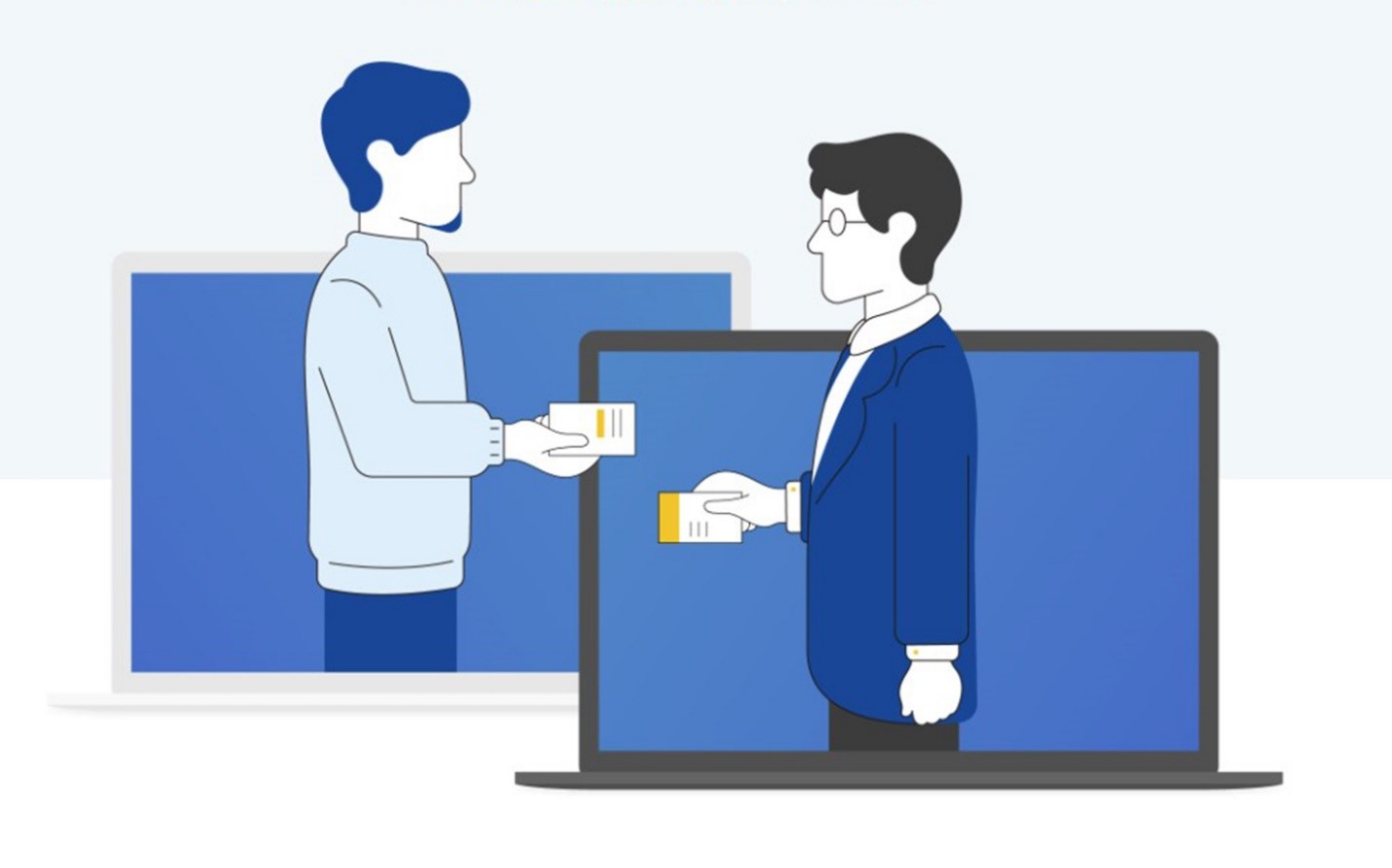
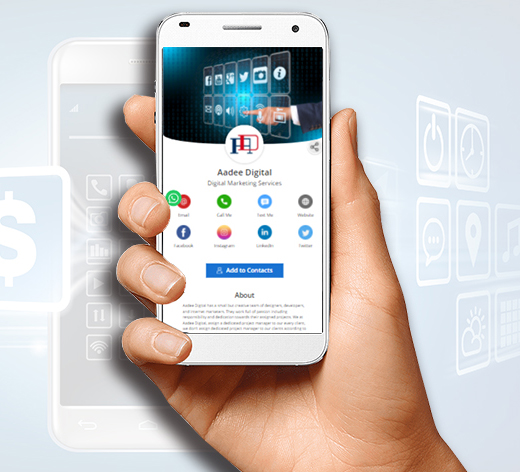
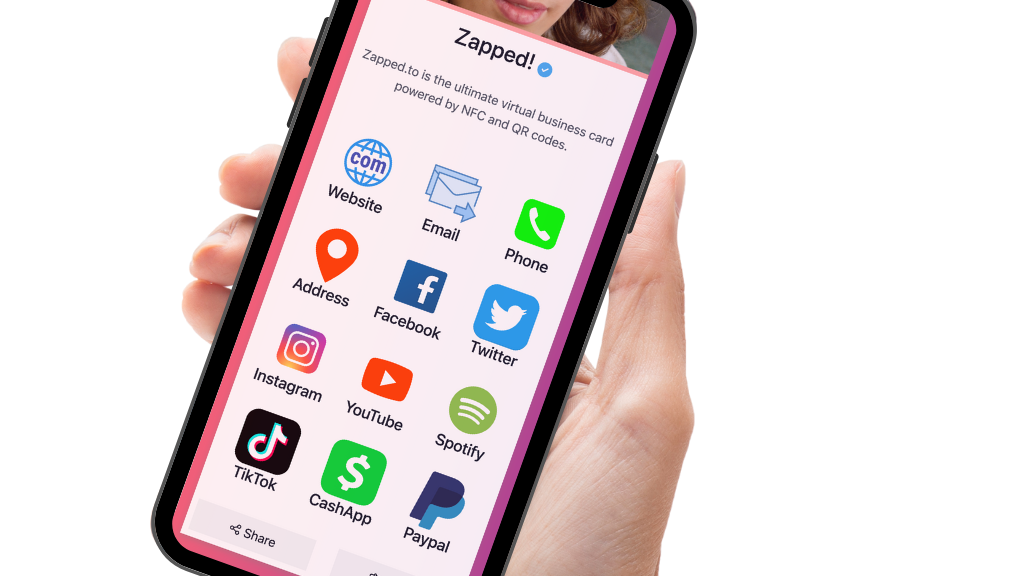
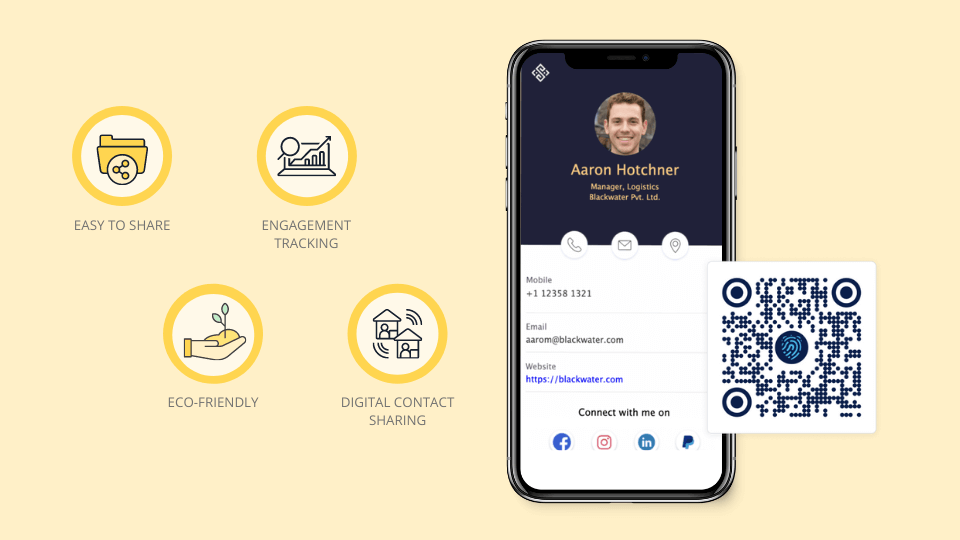
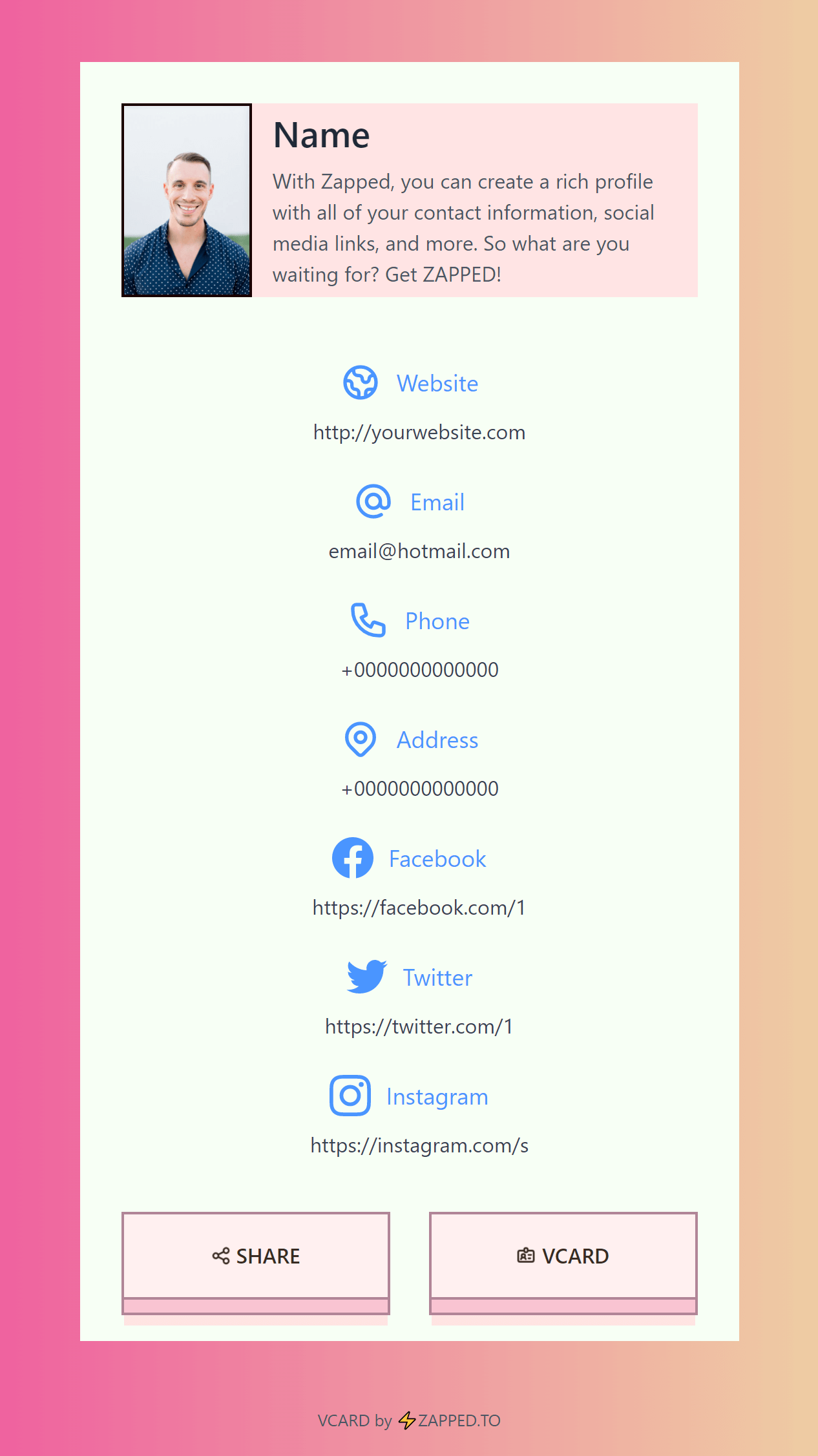
Use this image as a reference point while you compare the options below. The important idea is that the card, code, or NFC tap should lead to a profile that is easy to save and act on.
Best options by use case
| Demo element | What to check | Why |
|---|---|---|
| Mobile profile | Loads quickly and clearly | Most recipients use phones |
| Save contact | Adds useful fields | Creates a real contact |
| QR code | Scans reliably | Supports print and screens |
| Editing | Changes without new URL | Proves long term value |
| Team tools | Shows admin controls | Matters for companies |
What to look for in a demo
Do not judge the demo only by the cover design. Click the buttons, scan the QR code, test the save contact action, and check how the profile looks on a phone.
A useful demo should make the recipient path obvious within a few seconds.
What to include
A strong digital business card usually includes:
- Name, role, and company.
- Phone, email, and website.
- A save contact action.
- One primary call to action.
- QR code or direct sharing link.
- NFC support when useful.
- Social, portfolio, booking, payment, or review links when they help.
Simple setup checklist
- Create the live profile.
- Add your essential contact fields.
- Choose one primary action.
- Generate and test the QR code.
- Add NFC or Wallet sharing if the use case needs it.
- Test the experience on iPhone and Android.
- Update the profile whenever your details change.
Demo checklist
A useful demo should let you answer five questions quickly. Can the recipient save the contact? Can they choose the best contact method? Can they open the card without an app? Can the owner update details later? Can a team admin control the profile if this is for employees?
If a demo only shows a pretty card preview, ask to see the live recipient path. The live path is where the business value appears.
What a weak demo misses
Weak demos often skip QR testing, mobile load time, save contact behavior, and what happens after a profile changes. Those details are easy to overlook, but they decide whether the card becomes useful in the real world.
What a demo should prove
A useful demo should show the real recipient experience, not only the dashboard. Open the card on a phone and pretend you just met the person. The next step should be obvious in a few seconds.
A good demo proves:
- The profile loads quickly.
- The QR code opens the right page.
- Contact saving is easy.
- The primary action is visible near the top.
- Branding looks professional on mobile.
- Admins can update team cards without rebuilding everything.
If the demo cannot show these basics, the finished card may disappoint users in real conversations.
Demo questions to ask
When reviewing a demo, ask practical questions instead of only looking at the design. Can a recipient save the contact in two taps? Can an admin update an employee title? Can a QR code and NFC card point to the same profile? Can links be reordered for a campaign?
The best demo makes the daily workflow feel obvious. If you need a long explanation to understand the card, real recipients may not use it either.
Use a Zapped demo to test the real handoff
A good demo should show what the recipient experiences after the scan, not only what the dashboard looks like. With Zapped, test the profile on a phone, tap every button, save the contact, open the links, and check how it feels from QR, NFC, and direct sharing.
That kind of test reveals whether the card is actually ready for sales calls, events, email signatures, and team rollout. If the profile feels clear in the demo, the physical card or QR code has a much better chance of being used.
FAQs
What is the best digital business card format?
The best format is usually a live web profile with a QR code, direct link, and optional NFC card. That gives people more than one way to open the same profile.
Do people need an app to view my digital business card?
Usually no. A web based profile should open in a normal browser. Apps can help the card owner manage the profile, but the recipient should not need to install anything just to view your details.
Should I use NFC or QR for digital business card demo?
Use both when the card will be shared in person. NFC feels fast when someone knows where to tap, and QR gives a visible backup for any phone with a camera.
Can I update the card after sharing it?
Yes, if the QR code, NFC tag, or shared link points to an editable profile. That is one of the biggest advantages over a static printed card.
Where does Zapped fit?
Zapped is a good fit when you want one editable digital card profile that can be shared by link, QR code, NFC card, and team workflows without rebuilding the card every time details change.
Sources
- IETF RFC 6350, vCard format specification: Used for vCard contact data context.
- NFC Forum, NFC technology and NFC Forum, NFC is in almost everything: Used for short range NFC behavior and NFC card context.