Your Keller Williams digital business card is native to the Command App. But the details a lead sees come from your Marketing Profile and Website and App Settings, so repair those first. Then retrieve the card and test both ways to share it.
The card is only as trustworthy as the profile behind it. A polished QR code with the wrong office or phone number is still wrong.
Start with the native KW card
Open the Command App and use the native digital business card when you need the handoff Keller Williams documents. It displays a QR code, phone number, and email address. When someone scans the QR code, they get a contact creation flow for saving your details. The Share button sends a VCF version, which is the better handoff when you’re sharing from a distance.
The card pulls its contact information from Website and App Settings. Website and social profile information can flow into the contact created from the QR or VCF path too. In other words, the Command App is the last step, not the place to assume every field is current.
Keller Williams’ public card documentation doesn’t state that this native card includes analytics, custom domains, a browser landing page, or automated follow up. That silence matters. Use Command when the job is a KW documented QR or contact file. Look at a separate card system only when the job is a live destination, measurable activity, or controlled rollout.
Repair the profile that feeds it
The Command App handles the straightforward contact fields: profile photo, name and title, phone numbers, email, website, brokerage name and contact information, and social links. Those are sensible repairs to make on the phone when a number or link has changed.
Biography, team logo, and compliance information are a different story. The Command App profile flow doesn’t let you edit those fields there. Move the repair to Command on desktop instead of hunting through the phone app for a hidden control.
Your KW Marketing Profile supplies personal information to KW sites, public profiles, and team sites. It includes contact details, photo, biography, license number, professional title, team name, slogan, designations, preferred office, service areas, social links, and referral links.
Before sharing, read the profile as a lead would. Is the phone current? Does the title make sense? Is the right team named? Does the preferred office match the business you’re actually representing? This is where a trustworthy card is made.
The office choice deserves its own check. The current profile workflow can use the Market Center or Brokerage information from the Market Center Marketing Profile and lets you choose a preferred office when that applies. If the logo is wrong, download the correct Market Center DBA logo from KW’s Logos and Branding resources after signing in through agent.kw.com. The KW Identity and Style Guide is the place to resolve a brand question, not a random template preview.
KW exposes legal footer and compliance in Website and App Settings. Review those fields, then confirm the current requirement with your Market Center or brokerage. The public card sharing instructions don’t say that creating or sharing the card performs a compliance approval check. A successful QR scan isn’t proof of approval.
Choose the handoff for the moment
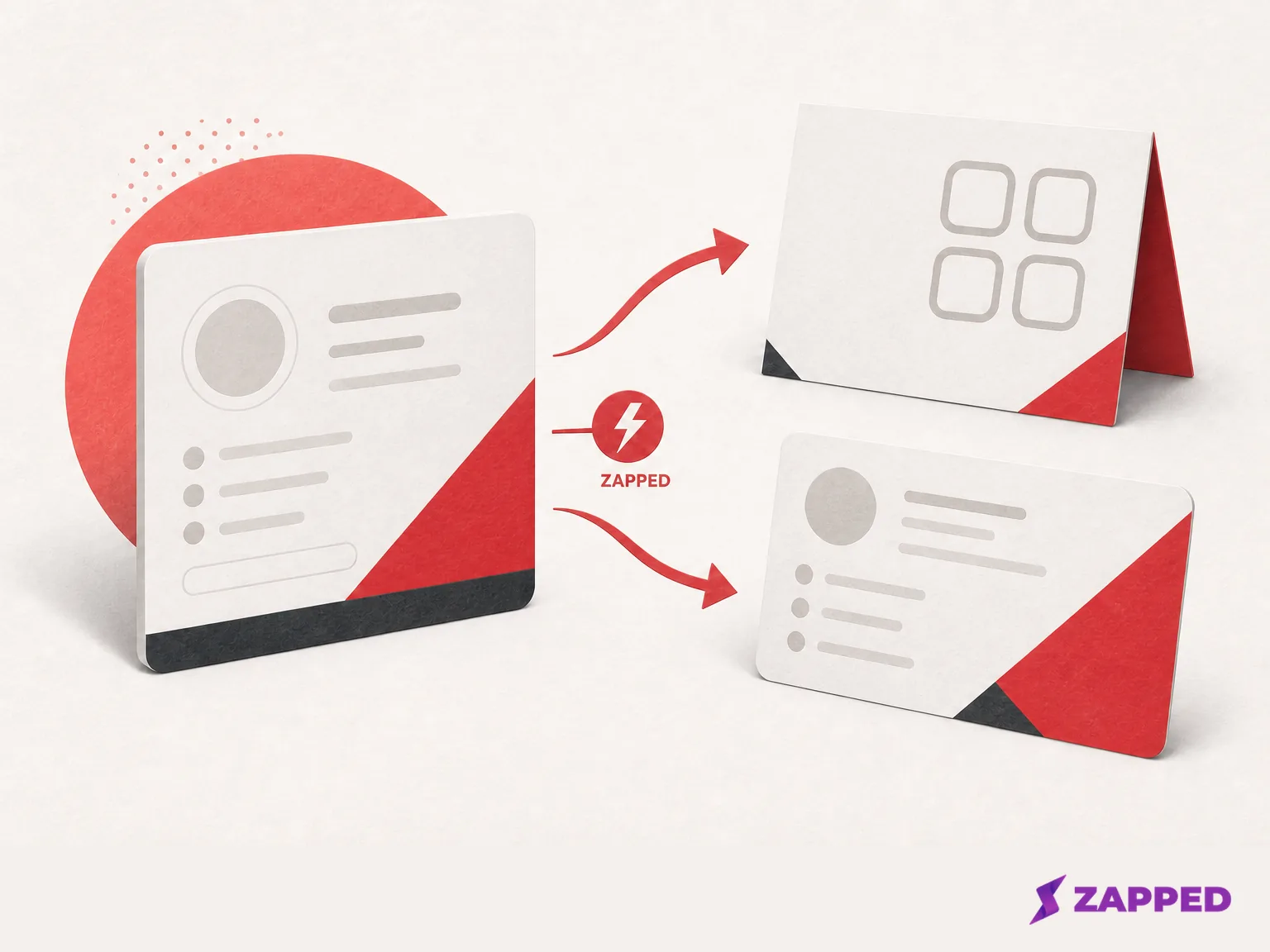
QR and VCF aren’t interchangeable just because both start from the same card.
Use QR when the other person is standing in front of you and can scan. It gives them a direct route into contact creation while the conversation is still happening. Use VCF when you’re sending the card by message or email, or when the recipient needs a contact file they can save away from the meeting.
Run the handoff yourself before distributing either one. Scan the QR code from another phone and inspect the contact creation details. Then use Share to send the VCF and check the saved contact. Confirm the phone number, email, website, and social information that should arrive from Website and App Settings. Test the path a lead will actually use, not just the screen you see as the sender.
The release order is simple: repair the source profile, open My Business Card in the Command App, then test QR and VCF. If a field is still wrong, go back to the profile source. Recreating the card won’t repair a profile field that is feeding it.
Templates are collateral, not the live card
A template is useful when the problem is print or presentation. It doesn’t become the profile that powers your native QR and VCF handoff.
For printed collateral, Realty Cards lists Keller Williams templates that can be personalized with contact information and a photo. Its related page lists a $25 starting price with a 500 card minimum, checked in August 2026. That’s a reasonable route for a large physical order, but a poor fit if you only need a few cards or expect to change your phone number next week.
The Etsy option is a different purchase. Its Keller Williams digital download is a Canva PDF, not a physical card, with up to six links and a listed price of $27.95 when checked in August 2026. The exact listing has no reviews, so the shop level rating doesn’t tell you whether this particular template is good.
BestPrintBuy’s Keller Williams formats show the range of print choices, including photo, no photo, team, commercial, vertical, and luxury home variants, with full color high gloss cards. Pick one when a physical leave behind is the requirement. Pick the Command card when the requirement is a contact handoff that can be repaired at the source.
Add a browser card only for a different job
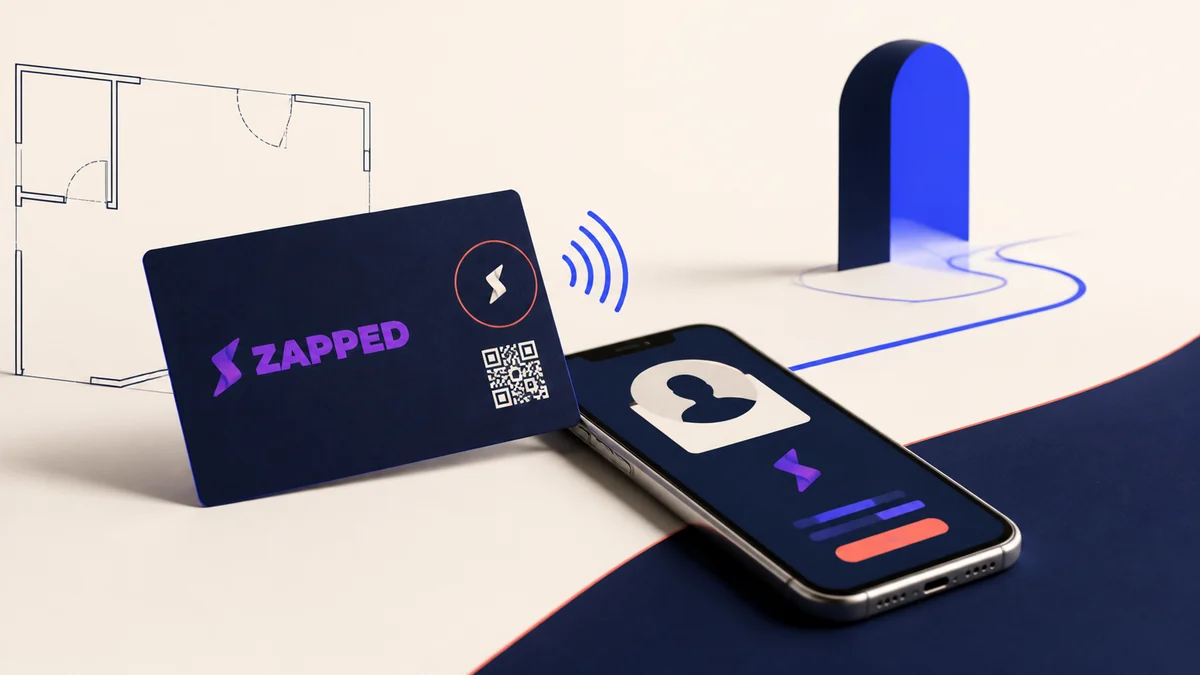
If you need a live page with editable links, a recipient friendly save flow, or activity you can measure, a separate browser card can earn its place. Zapped opens a card from a QR code, NFC tap, or link in a normal browser, so the recipient can save details without installing an app. It documents profile views, saved contacts, source activity, and link clicks as analytics signals.
That fills a gap the native KW card documentation leaves open. It also changes the system you’re using. Zapped is separate from KW Command and isn’t a KW approval mechanism, so keep the KW profile and compliance work on the KW side. Use the browser card for the destination and measurement you need, and label it honestly as a separate card system.
There’s a second physical sharing question here. If you want a tap enabled card rather than only the Command QR or VCF path, read NFC cards for real estate agents. The tap is a sharing choice; it doesn’t replace the profile release check.
Price the extra layer against the job
Zapped pricing below is the monthly billing view checked in August 2026. The native KW card has no published price, so the useful comparison is what each route is buying you.
| Route | What you get | Price or limit |
|---|---|---|
| Native KW card | Command App QR and VCF sharing fed by KW profile settings | No published price |
| Printed Realty Cards template | Personalized physical cards | $25 starting price, 500 card minimum |
| Etsy Canva PDF | Digital file with up to six links | $27.95 one time |
| Zapped Free | One browser card, five content blocks, QR, link, and NFC sharing | $0, with 60 days of analytics history and a Zapped badge |
| Zapped Starter | More cards and light team use | $14 per month, 15 cards and two team workspaces |
| Zapped Professional | More cards, unlimited blocks, team workspaces, and branded domains | $49 per month, 100 cards, five workspaces, and 50 branded domains |
| Zapped large rollout | Bulk handling for a brokerage or group | Custom quote for 100 or more cards, bulk uploads, dedicated domains, and custom integrations |
The documented Zapped plan matrix also sets analytics history at 185 days on Starter and 365 days on Professional. That’s the decision if the question is, “Did this networking source produce activity?” The Free plan is enough to prove the browser handoff, but its five blocks and 60 day history are a real boundary. Professional adds the control that matters for a branded rollout, including no Zapped badge, while Starter is the middle ground for a small group.
For a brokerage or team, the decision isn’t “which card looks nicest?” It’s whether every person needs one controlled, editable destination and whether someone needs to see the activity afterward. If the answer is yes for 100 or more cards, the large rollout path is the relevant conversation. For a company wide profile program, continue with digital business cards for companies, where the next question is how approved profiles should be managed across the group.
The release decision
Use the native Keller Williams card when you need the documented Command App QR and VCF handoff. Repair the source profile in the right place, choose the right office and brand asset, review legal and compliance fields with your Market Center or brokerage, and test the saved contact before you send the card to a lead.
Buy a printed or Canva template when the job is a physical or visual leave behind. It’s a static asset, not a live profile. Add a browser card when editable links, a normal browser save flow, analytics, or team controls are the actual requirement. We build Zapped, so weigh that recommendation accordingly, and keep its separate role clear beside your KW setup.
The call changes when a native field is still wrong after the desktop repair, when you need measurable activity, or when a group needs controlled profiles. Until then, fix the profile behind the QR code. That’s where the card becomes trustworthy.