An open source digital business card can be wonderfully simple: a few profiles, a stable URL, and control over the files. It can also turn into a small service your team has to run. The dividing line is what the card needs to do.
For a handful of pages, use a generator. When you need accounts, multiple cards, privacy controls, uploads, or an admin dashboard, you are looking at a self hosted application. If the priority is keeping the live profile available and seeing what happens after the share, a managed hosted card may be the better fit.
Open source gives you a control boundary, not a promise of zero operating work. A QR code printed today still needs a destination that works next month, and someone has to keep that destination working.
Start by naming the thing you are running
The phrase “open source digital business card” hides two different projects.
The first is a generator. EnBizCard's open source generator creates interactive HTML based cards you can host with your own website. It supports QR or link sharing, direct vCard download, social links, embeds, themes, custom fonts, and analytics. Its documented Docker route means cloning the repository, creating an environment file, running Docker Compose, and opening the configured application port.
That is a good shape for a small number of profiles. You generate the card, export or host it, print the QR code, and move on. If the requirement is “give three people a page and a vCard download,” a dashboard with a user system is probably machinery you will maintain and never use.
The second is a service. Swiish's self hostable platform includes QR codes, progressive web app support, privacy controls, file uploads, and an admin dashboard. Its recommended installation path uses Docker. Its environment configuration also requires a JWT secret and a production application URL.
Those details aren't installation trivia. They tell you what kind of responsibility you are accepting. Swiish gives you a shape for several people and richer profile management, but it is a service someone must configure and keep available. The moment you need an admin login, uploads, or privacy controls, you are no longer choosing only a file generator.
Ownership has four separate questions
“I own my card” can mean four different things, and the answer can change at each layer.
First, do you have access to the source? EnBizCard and Swiish are both recorded as AGPL 3.0 projects in their documentation. That answers a source and license question. It doesn't, by itself, answer where the live profile runs or who can change it.
Second, where does the project run? EnBizCard documents a Docker setup for hosting the generated application with your website. Swiish documents Docker as its recommended deployment path and asks you to provide a production application URL. In both cases, the location of the live service becomes part of your decision.
Third, who controls the profile data? EnBizCard's README presents user owned data and privacy by design as part of its project position. That's the project's own qualified claim, not an automatic guarantee about every deployment. Your configuration and the host still matter.
Fourth, who carries the continuity work? A self hosted card gives you more control over the code and deployment boundary, but it also leaves availability closer to your own setup. If the profile is printed on a card, posted in a bio, or shared at an event, the destination is now a small piece of infrastructure.
The key distinction is simple: a license can give you rights over software, while a live URL still depends on a working service. Start with the smallest layer that solves the job. Accept the larger operating surface only when the profiles genuinely need it.
Pick the QR payload before you print anything
There are two sensible payloads for a digital card: a URL that points to a profile, or an embedded vCard that carries contact data inside the code.
Use a stable URL when the profile will change. The page can stay at the same destination while you edit the details behind it. That keeps a printed QR code useful after a job change, a new phone number, or a revised introduction.
Use an embedded vCard when the contact file itself must travel with the code. That's the more portable choice, but it also makes the code carry the data rather than pointing to a page you can revise.
The practical print decision is size. In a self hosted discussion, a commenter observed that a URL QR can be smaller than a QR containing a vCard. That can matter when the code has to fit on a small printed card. It's an observation from that discussion, not a lab result, but it points to the right question: do you need a changeable destination, or a contact file that stands alone?

There is a useful hybrid instinct here. Let the QR code point to the live profile when you expect edits, and offer a vCard download from that profile when recipients need the contact file. EnBizCard documents both link sharing and direct vCard download, which makes it a practical fit for that generator style route.
If you want to start with the page itself rather than a project, the digital business card HTML template guide is the narrower next step. It answers the smaller question, how to begin with an HTML template when a generator is enough.
The hosted route is about continuity, not code ownership
Self hosting is the right choice when control over the code, deployment location, and profile data is worth carrying the service. It's the wrong choice when nobody wants to be responsible for the live destination after the QR code leaves the printer.
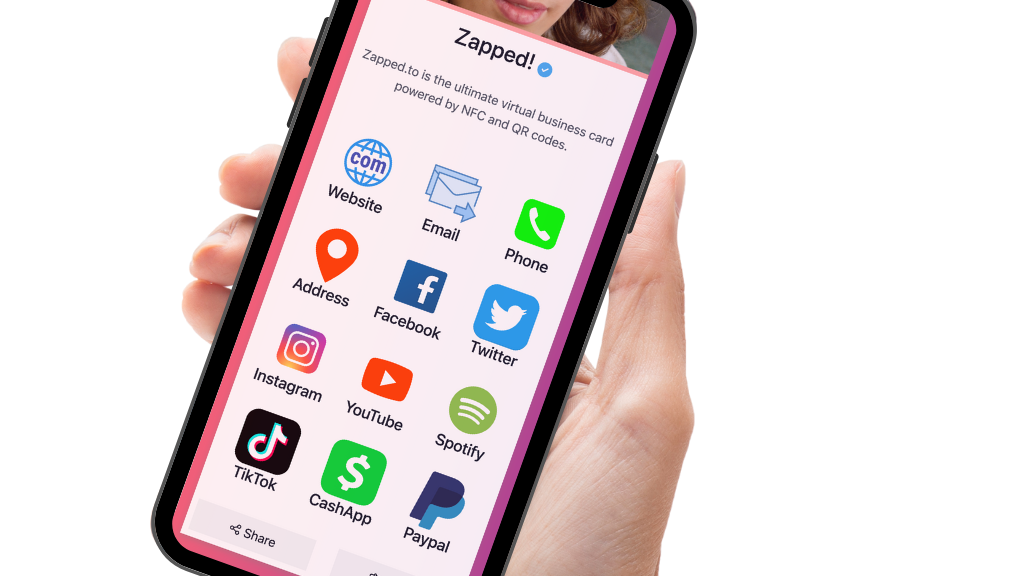
That is where a managed card earns its keep. Zapped cards open in a browser, from a QR code, NFC tap, or link, so the recipient doesn't need an app to view the profile. Zapped also says the shared QR codes, NFC cards, and links keep pointing to the latest version after edits. The point is continuity: you can change the page without replacing every printed or shared path to it.
Zapped isn't an open source project in this comparison. It's the hosted alternative for someone who wants a live digital card without owning the deployment layer. That is a different kind of control, and it is often the more useful one when the card has to keep working while the rest of the business changes.
The tradeoff is visible on the free plan. Zapped's Free plan is $0, requires no credit card, and includes one card, five content blocks, QR and shareable link access, and a 60 day analytics snapshot. That's enough for a single profile with a focused set of details. It isn't the same as owning the software or running the service yourself.
If you need the card to report what happened after the share, Zapped says it can show scans, visits, saves, clicks, sources, and campaign signals. It also says teams can keep profiles consistent. The open source evidence here establishes control and project capabilities, but it doesn't establish an equivalent hosted reporting or support layer. That difference is the real buying decision.
For a broader look at the managed category, see the best digital business card options. That is the next question once you decide that hosted continuity matters more than source ownership.
A decision you can live with
EnBizCard fits when the job is a few HTML based cards, QR or link sharing, a vCard download, and a documented Docker path. It works especially well when the profile can live with your website and the number of people stays small.
Swiish makes more sense once the requirement has become a service: several cards, an admin dashboard, privacy controls, file uploads, and an application that needs environment configuration. Its surface is broader because the job is broader. That also means more of the live system sits with you.
The managed route is for the team that doesn't want profile availability to become another operating task. Zapped is the named example here: browser access, QR, NFC, and link sharing remove recipient friction; edits continue through existing shares; and its analytics give you a way to see which introductions worked. The Free plan starts with one card, five blocks, and 60 days of history, with higher needs moving into paid plans.
The cheapest software choice isn't always the cheapest card to keep alive. Let the generator handle a few stable pages. Bring in the application when accounts and controls are part of the job. Use the hosted route when continuity and measurement matter more than owning the code.