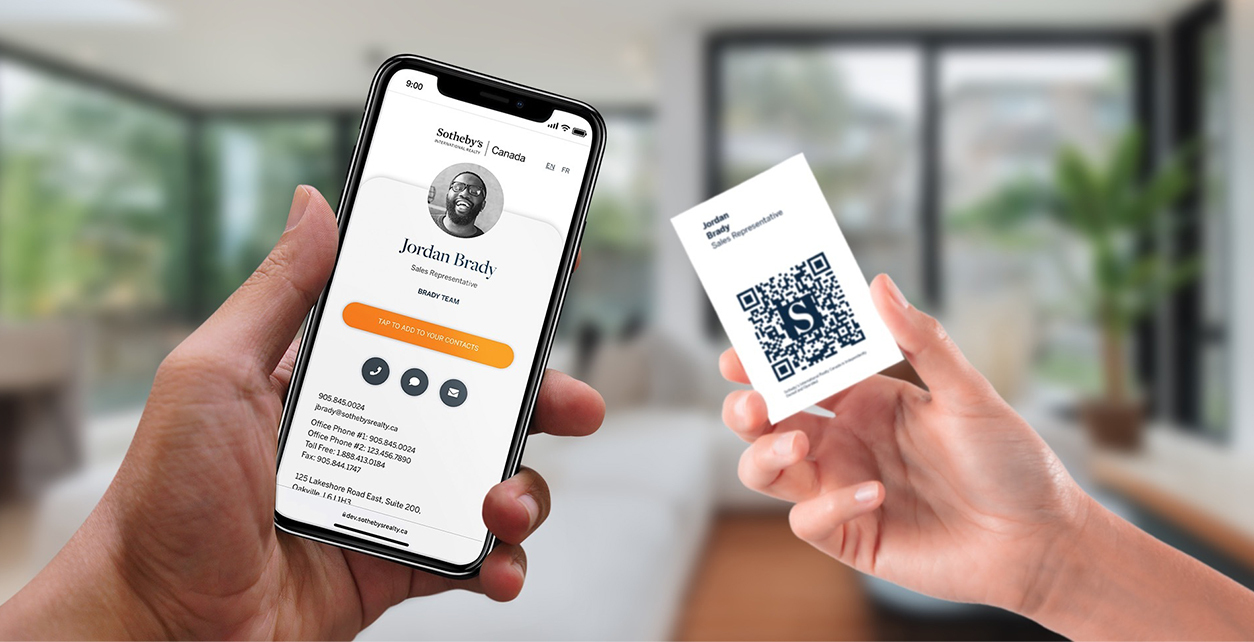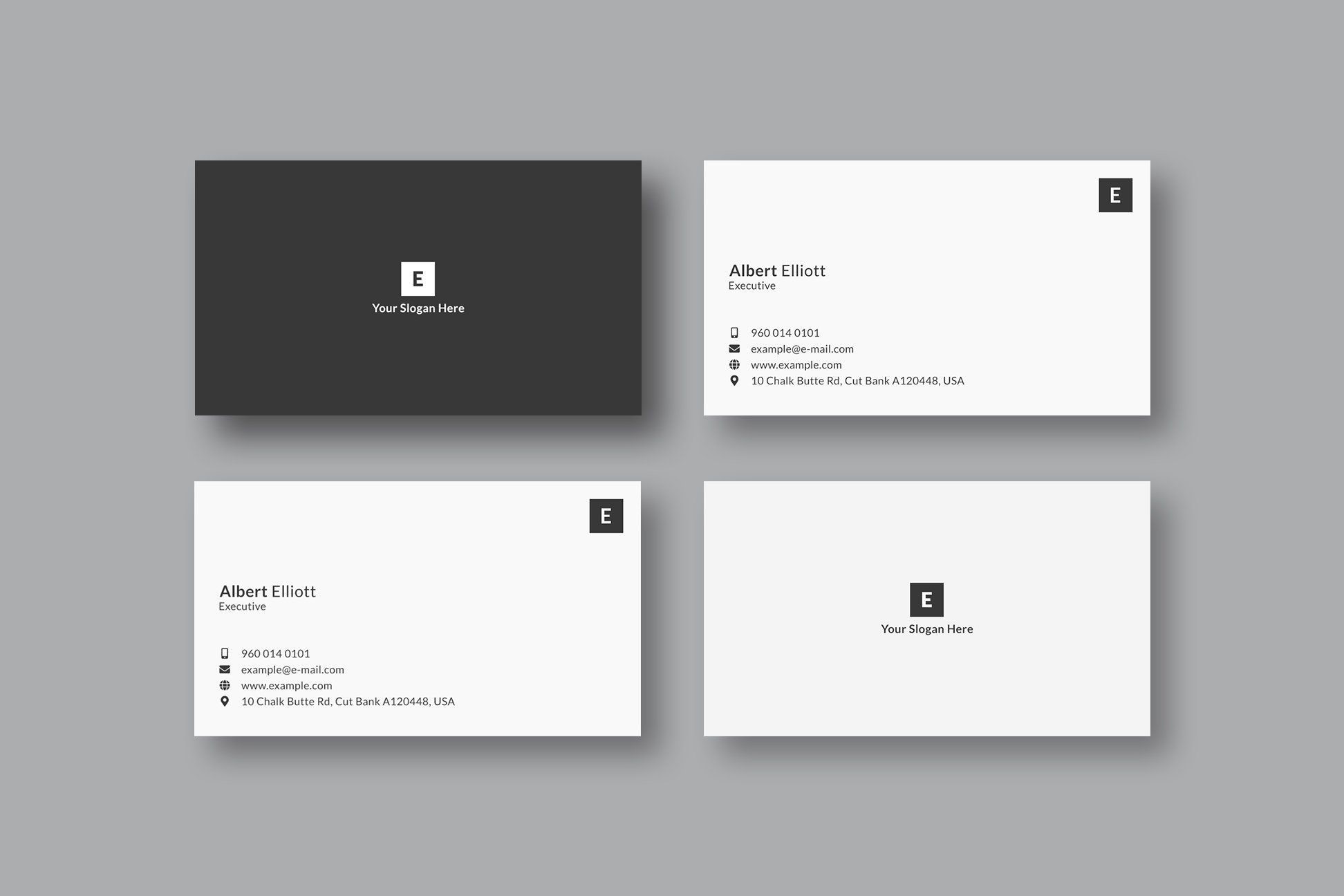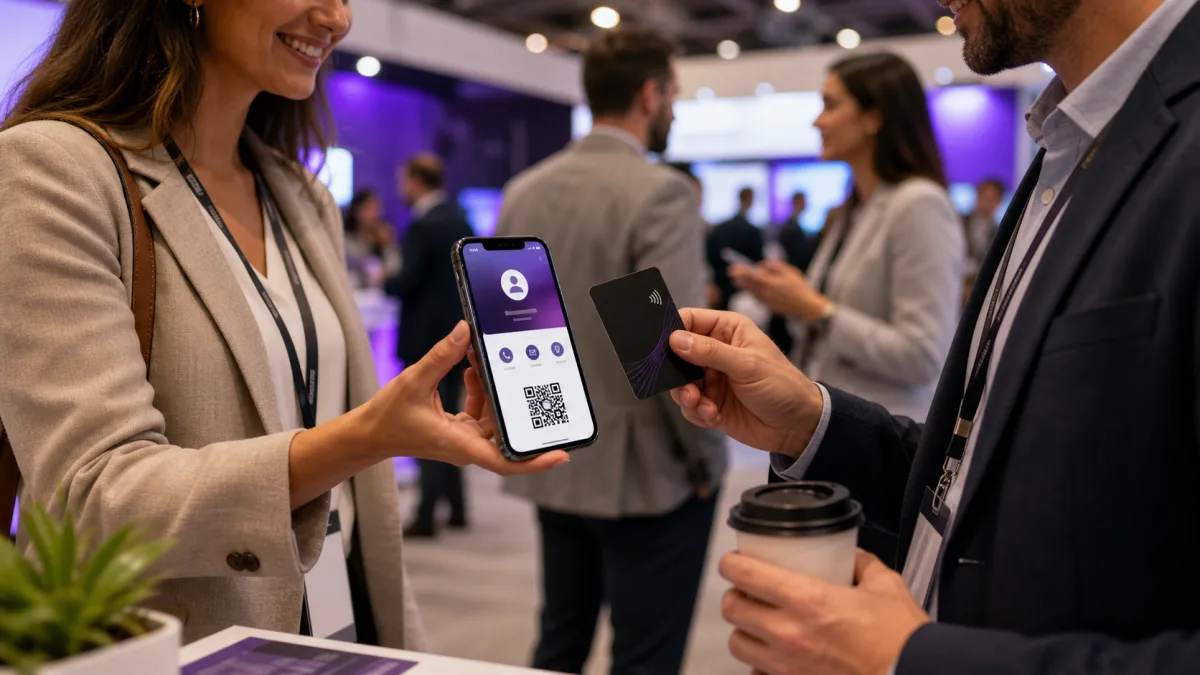
Business cards are still relevant, but the job has changed. A card is no longer just a small piece of paper with your phone number. It is a bridge from an in person moment to a useful follow up.
Quick answer
Business cards are still relevant when they help someone remember you and take the next step. The strongest cards now combine a simple physical design with a QR code, NFC tap, or digital profile so the recipient can save details, book a call, or open your links immediately.
Key takeaways
- Business cards still work best in face to face networking moments.
- A card is weak if it only repeats information someone will type manually.
- QR codes and NFC make physical cards more useful.
- Digital profiles keep details editable after the card is printed.
- Zapped works well when you want a card that can be shared physically and digitally.
Why business cards still matter
A business card is a memory aid and a handoff tool. After a meeting, event, showing, consultation, or quick introduction, the card gives the other person something concrete to act on.
They are still useful for:
- Conferences and trade shows.
- Local services and appointments.
- Real estate, recruiting, sales, and consulting.
- Restaurants, salons, clinics, and hospitality teams.
- Networking events where phone typing feels awkward.
- Situations where a quick QR scan is easier than exchanging emails.
The card becomes more relevant when it shortens the path from meeting to follow up.
When paper cards are not enough
Paper cards fall short when they are static, crowded, or hard to act on.
Common issues:
| Problem | Better approach |
|---|---|
| Contact details change | Use a digital profile behind a QR code or NFC card |
| Too many links | Put only core details on the card, put links online |
| No follow up action | Add a booking or save contact path |
| Hard to track results | Use a digital profile with analytics |
| Team cards get inconsistent | Use managed digital cards for employees |
A paper card can still be valuable, but it should not carry the whole burden.
Physical, digital, QR, or NFC?
Each format has a role.
| Format | Best for | Limitation |
|---|---|---|
| Paper card | Simple in person reminder | Static and easy to lose |
| QR business card | Fast universal scanning | Needs good design and clear destination |
| NFC card | Polished face to face sharing | Needs compatible phone and correct tap placement |
| Digital card link | Text, email, WhatsApp, LinkedIn | Less tactile than a physical card |
| Team digital cards | Company wide consistency | Needs admin setup |
The strongest modern setup often combines them. A Zapped profile can be shared by QR code, NFC card, and link, so the printed card becomes a doorway to an editable profile.
What should a modern business card include?
Keep the visible card focused:
- Name.
- Role or specialty.
- Company or brand.
- One direct contact method.
- QR code or NFC cue.
- Short call to action.
Then let the digital profile include the rest:
- Save contact button.
- Website.
- LinkedIn and social links.
- Calendar booking.
- Portfolio, menu, listings, or services.
- Payment or quote link when appropriate.
This keeps the printed card clean while still giving the recipient depth.
How to make a business card worth keeping
A card is relevant when it answers a real question: why should this person contact you later?
Make it worth keeping by adding:
- A clear category or specialty.
- A memorable design detail.
- A useful scan destination.
- A direct booking or quote path.
- A digital profile that stays current.
Do not think of the card as a relic. Think of it as a shortcut.
Examples that still work today
Business cards are most useful when they connect to a specific next step.
| Scenario | What makes the card useful |
|---|---|
| Trade show booth | QR code opens a product page, contact form, or team member profile |
| Real estate showing | Card includes direct phone, listings, calendar booking, and save contact option |
| Local service visit | Card points to quote request, reviews, location, and emergency contact |
| Recruiting event | Card shares LinkedIn, open roles, calendar booking, and company page |
| Restaurant or venue | Card links to menu, reservations, map, and contact details |
| Consulting meeting | Card links to portfolio, case studies, booking, and email |
The common pattern is simple: the physical card starts the memory, while the digital destination makes the follow up easier.
When you can skip paper cards
Paper is not mandatory for every business. If most of your networking happens online, a digital card link in your email signature, WhatsApp replies, LinkedIn profile, and QR code may be enough.
Paper still helps when the interaction is physical, fast, or high volume. Digital sharing helps when the interaction starts in a message, call, webinar, or social platform. Many teams use both because they serve different moments.
Make a business card relevant with Zapped
Business cards still work when they make follow up easier. Zapped helps by giving the card a live destination behind a QR code, NFC tap, or short link, so the recipient can save your details and choose the right next step from their phone.
That changes the role of the printed card. It no longer has to carry every detail. It can focus on trust and memory, while the Zapped profile carries booking links, reviews, socials, files, company pages, and updated contact information.
FAQs
Are business cards outdated?
No, but plain paper cards are less useful than they used to be. Cards work better when they connect to a digital profile, QR code, NFC tap, or clear follow up action.
Should I still bring business cards to networking events?
Yes, especially if you meet people in person. A card gives you an easy handoff when phone typing or searching social profiles would slow the conversation.
Are digital business cards better than paper cards?
Digital cards are better for updating details, sharing links, and tracking engagement. Paper cards are better for physical presence. Many professionals use both.
What should a QR code on a business card open?
It should open a mobile friendly digital profile or specific landing page. For networking, a digital business card profile is usually the most useful destination.
How does Zapped make business cards more relevant?
Zapped lets your card point to an editable profile that can be shared by QR code, NFC tap, and direct link. That keeps the card useful after your details change.