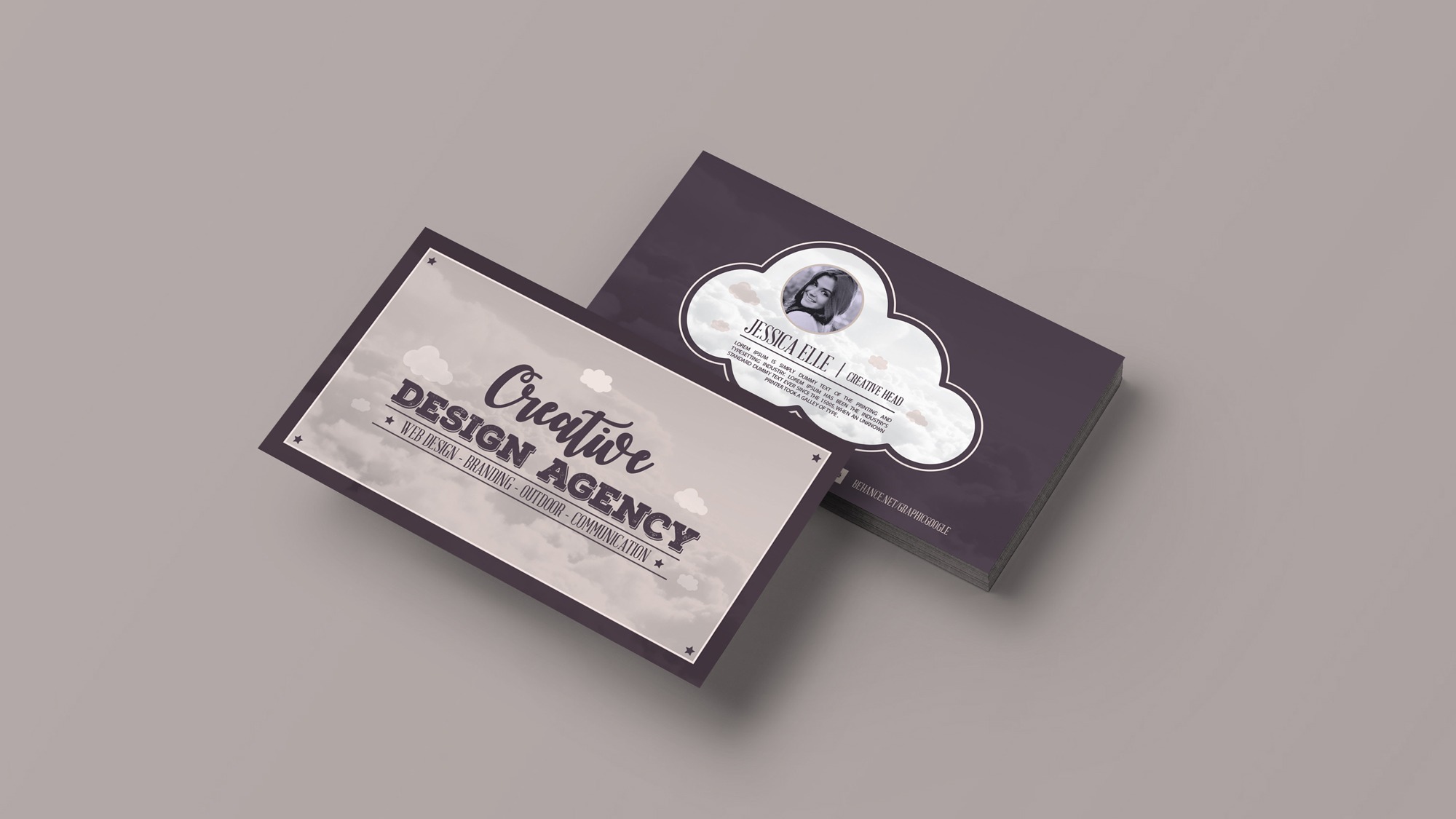
Vintage business cards work best when they make the specialty obvious and the next step easy. The design can be creative, but the card still needs to help someone call, book, order, scan, or request work after the handoff.
Quick answer
A strong vintage business card should include a readable name, clear specialty, direct contact path, and one useful action. Add a QR code or profile link when the person may need photos, services, schedules, reviews, booking, or a quote form.
Key takeaways
- Make the service or style obvious in a few seconds.
- Use one main action, such as call, book, scan, order, or request a quote.
- Add a live profile when photos, schedules, services, or offers change.
- Test print readability and QR scanning before ordering.
What to decide first
Start with where the card is handed out and what the person needs next. Field-service cards need fast contact and proof. Creative cards need portfolio or gallery access. Wellness and class-based cards need schedules and booking. Product cards need reorder, care, and social links.
| Option | Best for | Watch out for |
|---|---|---|
| Simple print card | Fast local handoffs | Limited room for changing details |
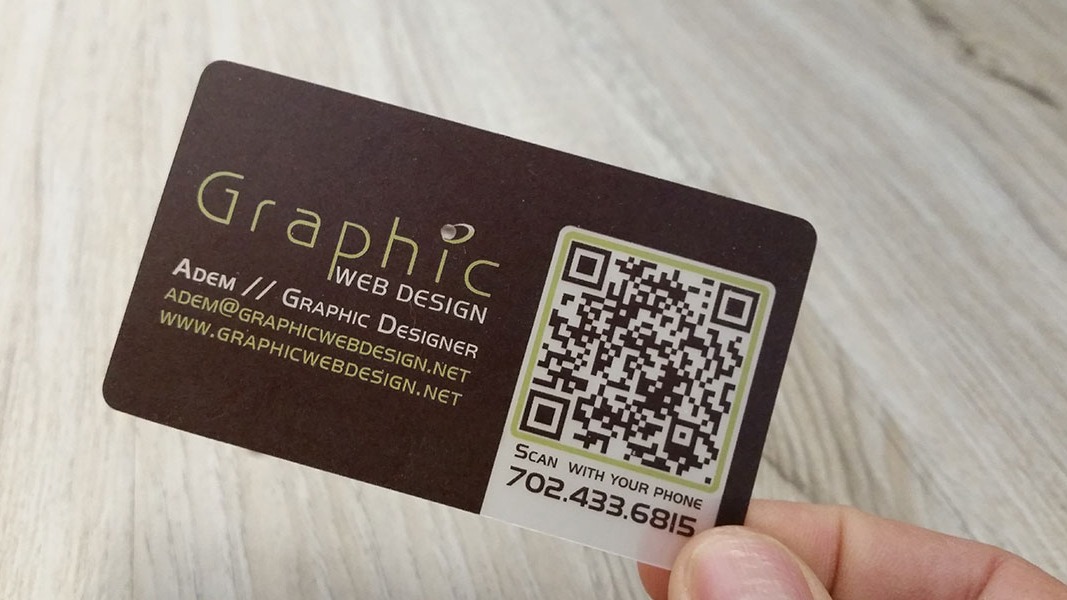
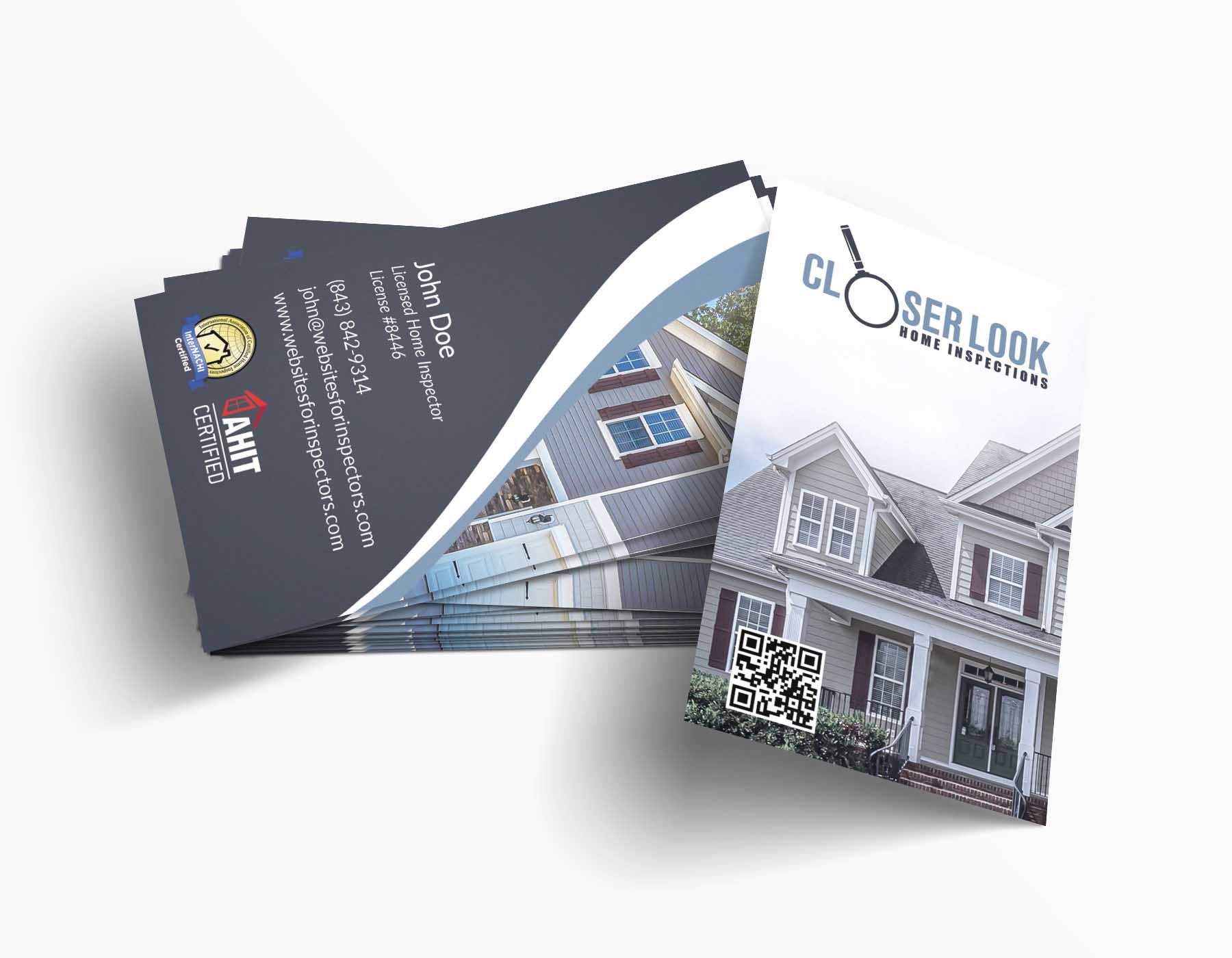
| QR profile card | Photos, booking, reviews, services, or quote requests | Needs a current mobile profile |
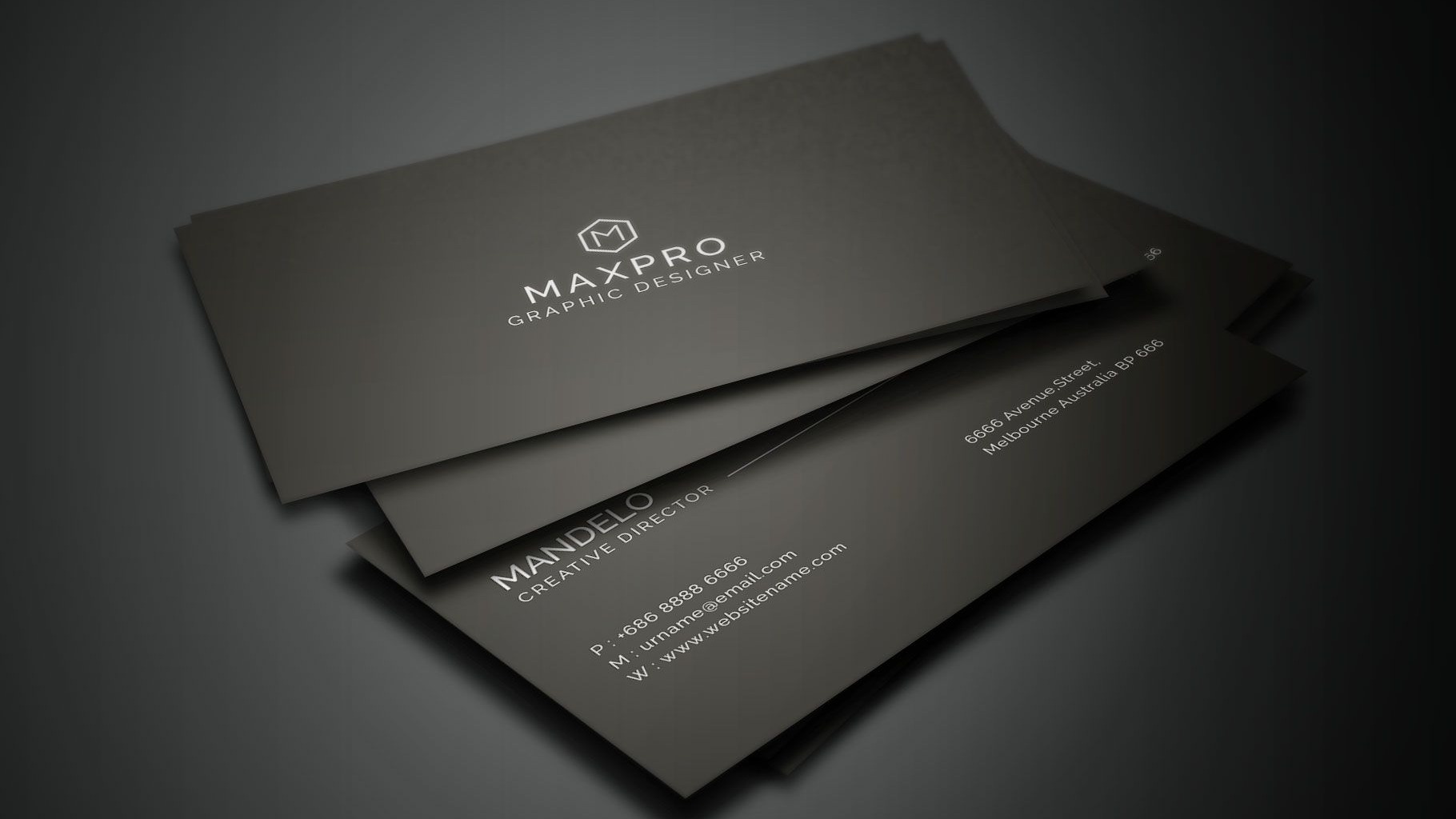
| Premium finish | High-touch brand impression | Can hurt readability if overdone |
| NFC card | Repeat in-person networking | Needs device testing and a clear tap prompt |
What to include
Include the brand name, offer, phone or email, website or profile link, and one clear action. Let the vintage style create the mood while the contact details stay clean and easy to read.
How to use it well
Use the printed card for recognition and the linked profile for depth. For vintage, the profile can hold examples, testimonials, service lists, booking links, payment links, or seasonal offers without crowding the card.
Decision examples
Use a simple print card when the handoff is quick and details rarely change. Use a QR profile when the customer needs to see proof, book, order, compare options, or save details. Use NFC for premium networking or repeat use. Use both print and digital when the first impression happens offline but the useful details live online.
Practical examples
- A printed card links to a gallery of recent work.
- A QR code opens booking, schedule, reorder, or quote request options.
- A profile keeps reviews, services, files, and social links together.
- A team keeps branding consistent while each person has a live profile.
Common mistakes to avoid
Avoid tiny type, low contrast, too many icons, untested QR codes, vague labels, stale links, and destinations that do not match the promise on the card or profile.
Make vintage practical, not just nostalgic
Vintage cards work because they feel tactile and memorable, but the details still need modern clarity. Use serif type, subtle texture, borders, monograms, stamps, or muted colors as the mood, then keep phone, email, website, and QR code easy to read. This style fits boutiques, barbers, photographers, makers, florists, cafes, antique sellers, and premium local services.
A good vintage card often pairs well with a modern profile. The printed piece can feel timeless while the linked profile carries changing hours, product drops, booking links, reviews, and social proof. If you use distressed effects, avoid placing them behind small type or the QR code. The best vintage design feels considered, not hard to scan.
Quick design checklist
Pick a vintage direction before choosing fonts. A Victorian card, mid-century card, western card, and retro diner card should not all use the same details. Keep the palette restrained, avoid overly distressed type, and place the QR code in a clean area. The best vintage card feels nostalgic while still being easy to use.
Where Zapped fits
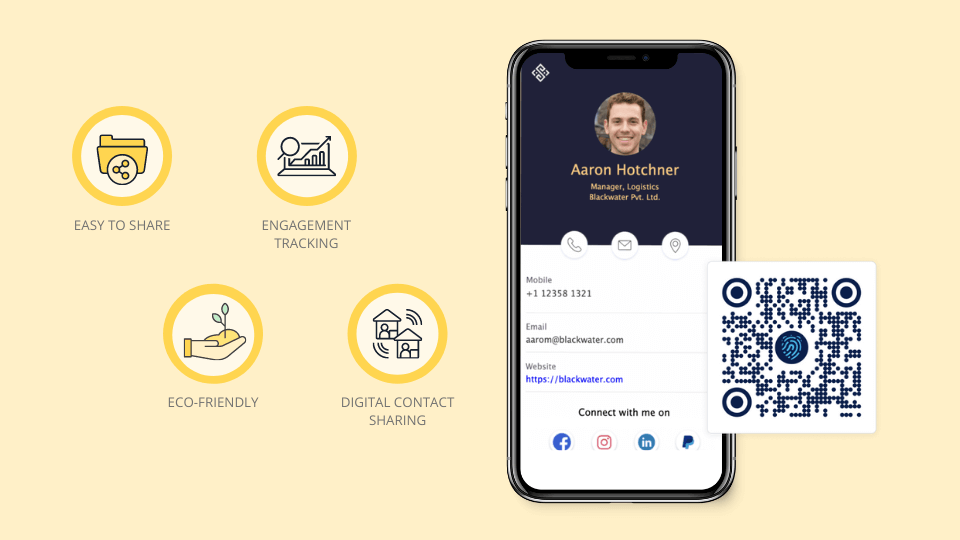
Zapped fits vintage cards because the printed card can stay clean while the live profile carries the details. Add a QR code or NFC tap that opens photos, booking, service lists, reviews, payments, social links, and contact buttons, then update the profile whenever the offer changes.
Before you publish or share
- Test the main action on a phone.
- Check the first screen for one clear action.
- Review links after campaigns, events, staff changes, or seasonal updates.
- Make the profile match the promise on the card or link.
FAQs
What should vintage include?
Include a clear name or brand, a specific specialty, a direct contact path, and one next action. A QR code or profile link is useful when people need examples, booking, reviews, schedules, or a quote path.
Should I use a QR code?
Use a QR code when the next step is easier on a phone. Test it before printing and send people to a mobile-friendly page.
Is a digital card better than a printed card?
A digital card is better for information that changes. A printed card is still useful for in-person handoffs, especially when it points to a live profile.
How often should I update the linked profile?
Update it whenever contact details, offers, schedules, staff, pricing context, or priority links change.
Sources
- MOO business cards for current print format and finish context.
- VistaPrint business cards for online print-ordering context.
- Zapped digital business card features for QR, NFC, and editable profile workflows.