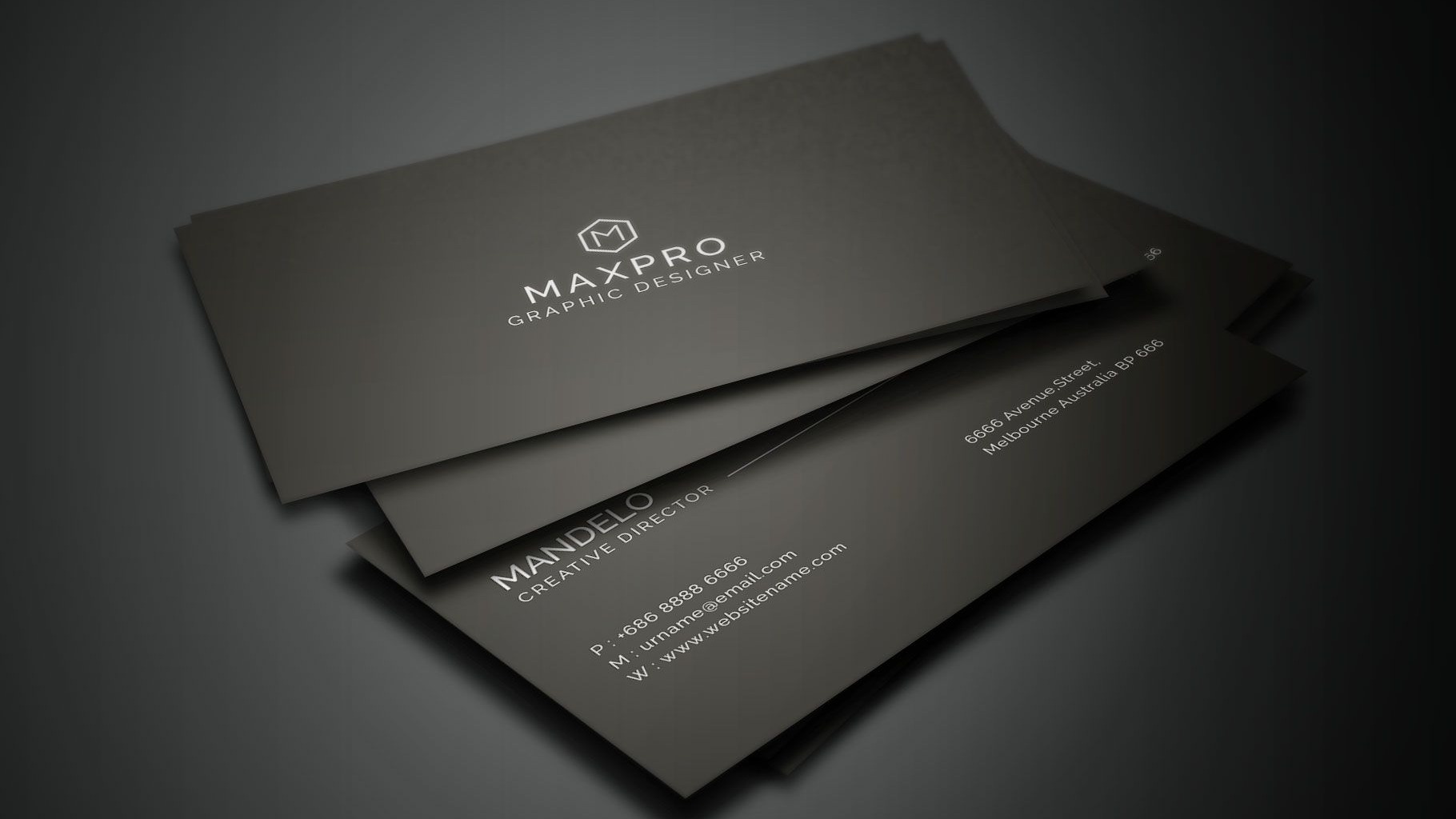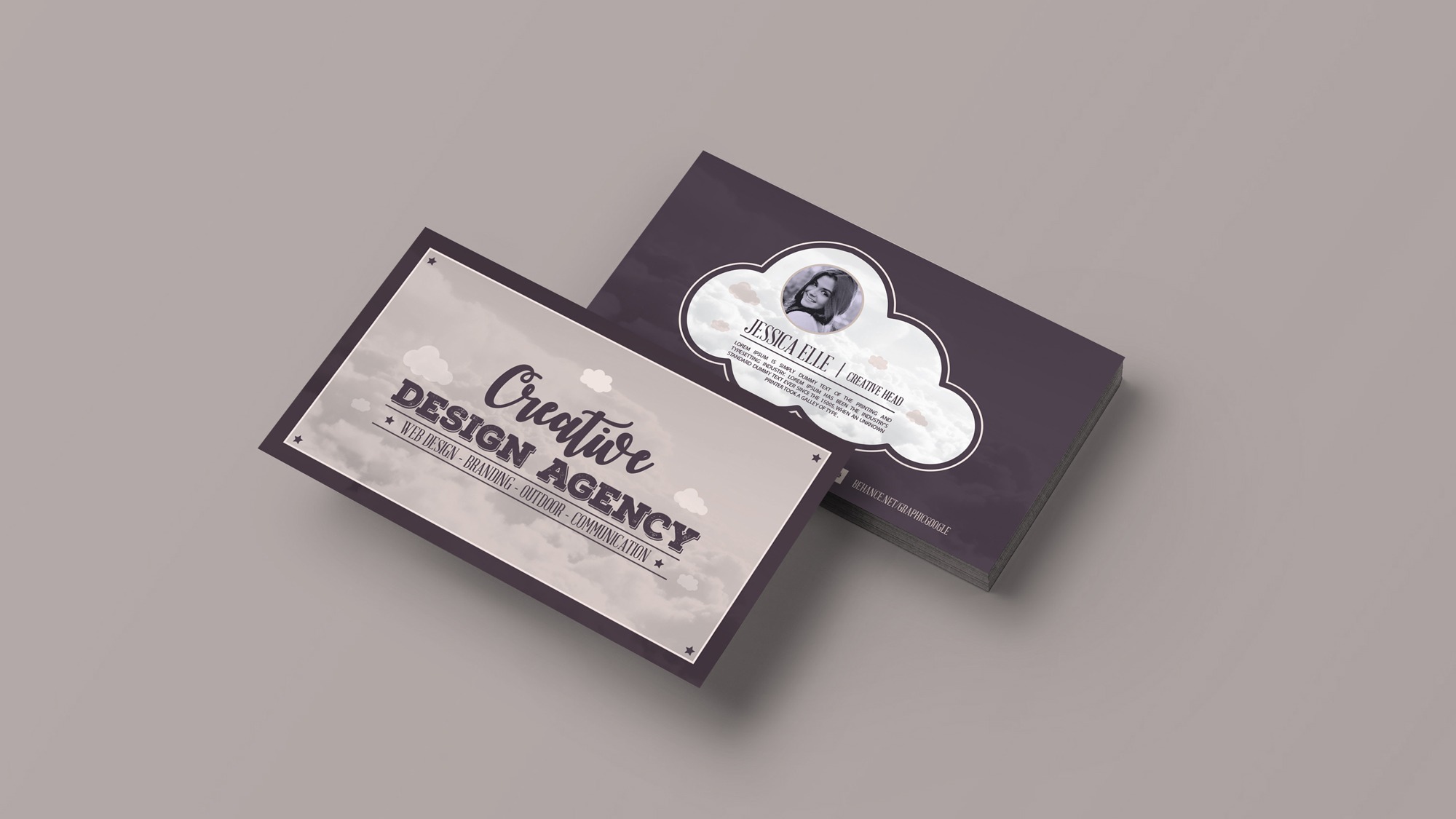
Matte and glossy cards can both look professional. The better choice depends on lighting, brand style, photography, QR codes, and how people will handle the card.
Quick answer
Choose matte business cards for a premium, writable, low-glare feel. Choose glossy cards for brighter colors and photo-heavy designs. If the card includes a QR code, test the scan under event lighting before ordering.
Key takeaways
- Keep the card readable before choosing finishes or novelty details.
- Use one primary action, such as call, scan, book, save contact, or request a quote.
- Add a profile or QR code when information may change.
- Test the printed and digital experience before ordering or sharing.
What to decide first
Start with the handoff moment. A counter card, field-service card, premium meeting card, and packaging insert all need different layouts and different follow-up actions.
| Option | Best for | Watch out for |
|---|---|---|
| Simple print card | Fast handoffs and low budget | Limited room for changing details |
| QR business card | Portfolios, booking, reviews, and quotes | The destination must stay current |
| Premium finish | High-touch meetings and luxury services | Can hurt readability if overdone |
| Hybrid card | Print presence plus digital follow-up | Needs scan and mobile testing |
What to include
Include name, business name, specialty, phone or email, website or profile link, and one call to action. If the card supports a service business, add service area, emergency or booking path, and proof such as reviews or project photos.
How to use it well
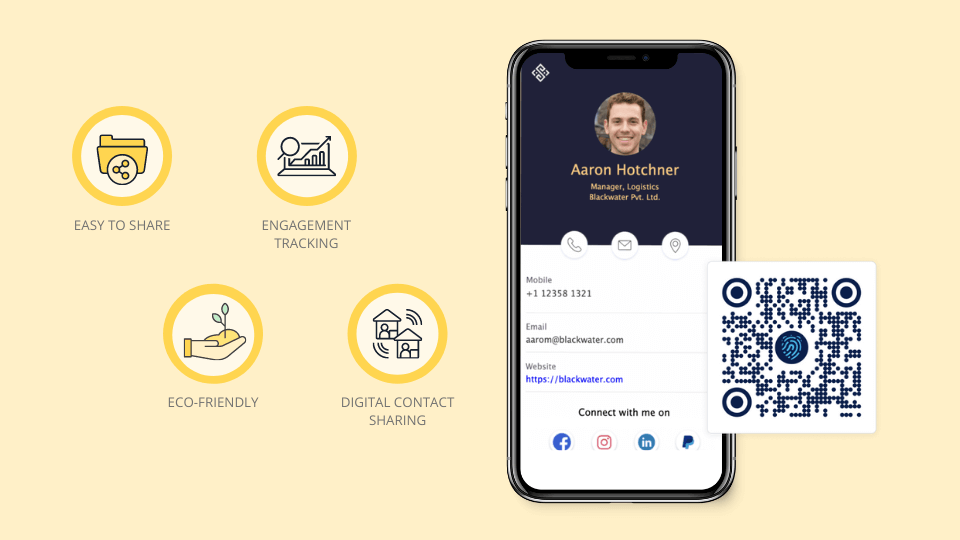
Use the printed card for recognition and the linked profile for depth. That lets the card stay clean while the profile carries photos, booking links, galleries, files, payments, service details, or quote forms.
Decision examples
Use a simple print card when the handoff is quick and the details rarely change. Use a premium finish when the audience expects a high-touch brand impression. Use a QR profile when the card needs to show more than fits on paper, such as galleries, service lists, reviews, booking, or quote forms. Use NFC when you want a faster in-person tap experience.
The best cards usually combine restraint and usefulness. The front makes the brand memorable. The back or linked profile makes the next action easy.
Practical examples
- A printed card uses a QR code to open a profile with current links.
- A service provider sends scans to a quote or booking path.
- A local business uses a review or directions link as the primary action.
- A team keeps employee cards consistent while allowing individual contact details.
Layout ideas by situation
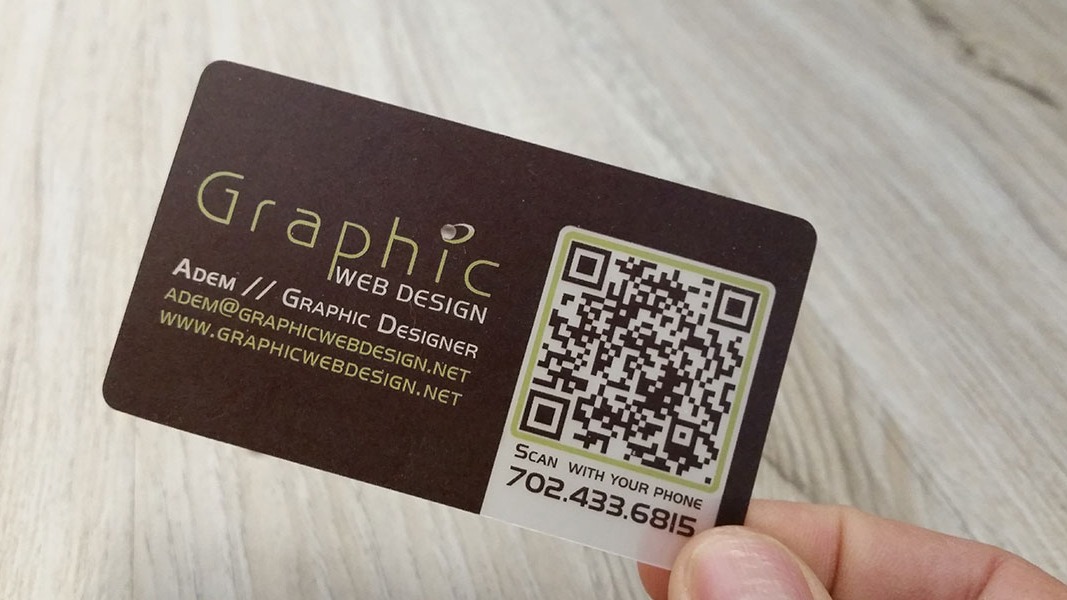
Use matte or glossy business cards, what to choose based on where the card will be handed out. A premium meeting card can use more white space and a subtle finish. A field-service card needs a large phone number and service area. A product or handmade card can include a QR code for a gallery, menu, reorder page, or review request. A high-volume event card should be fast to read and easy to scan.
Strong layouts usually include:
- A clear name or business name.
- A specific service, role, or product category.
- One primary contact path.
- A QR code or profile link when details may change.
- Enough spacing around text and scan elements.
Troubleshooting weak card performance
If people take the card but do not act, the problem is often the next step. Make the call to action more specific, move the phone or QR code higher, add a reason to scan, or improve the landing page. If people scan but leave, the linked profile may be too broad, slow, outdated, or missing the action promised on the card.
Common mistakes to avoid
Avoid unclear calls to action, stale links, tiny type, broad claims, untested QR codes, and destinations that do not match the promise on the card or campaign.
Where Zapped fits
Zapped helps when this topic needs one editable destination behind a card, QR code, NFC tap, social profile, email signature, or campaign. You can keep the physical or social touchpoint simple while the live profile carries contact details, booking, reviews, files, payments, videos, and analytics.
Before you publish or share
- Test every QR code, NFC tap, link, and button on a phone.
- Check the first screen for one clear action.
- Update old screenshots, platform steps, or pricing context before publishing.
- Make sure the related profile or landing page matches the reader intent.
FAQs
Is matte or glossy business cards, what to choose still useful?
Yes, when it helps someone take the next step faster. The format matters less than the clarity of the offer, contact path, and follow-up destination.
Should I use a QR code?
Use a QR code when the next step is easier on a phone. Test it before printing, keep enough white space around it, and send people to a mobile-friendly page.
Can I use a digital card instead of print?
You can use a digital card by itself for online sharing, but print still helps in face-to-face moments. Many businesses use both.
How often should I update the linked page?
Update it whenever your offer, contact details, portfolio, booking link, pricing context, or campaign changes.
Sources
- MOO business cards for current print format and finish context.
- VistaPrint business cards for online print-ordering context.
- Zapped digital business card features for adding QR, NFC, and editable profiles to printed cards.