Technology improves business results when it removes friction from repeated work and gives teams better follow-up signals. The most useful tools are the ones people actually use every day.
Quick answer
Technology improves business efficiency by automating repetitive tasks, centralizing customer information, speeding up communication, making payments easier, and tracking follow-up. The sales benefit comes from faster response times and fewer lost leads.
Key takeaways
- Start with workflow bottlenecks, not trendy tools.
- Connect sales tools to follow-up actions.
- Use analytics to see which channels produce real conversations.
- Keep the customer experience simple on mobile.
What to decide first
Start with the campaign goal. Decide whether the reader should call, book, buy, review, subscribe, watch, or request a quote. Then choose the channel and destination that make that action easiest to complete.
| Choice | Best for | Watch out for |
|---|---|---|
| CRM and contact tools | Tracking leads and follow-up | Bad data makes automation noisy |
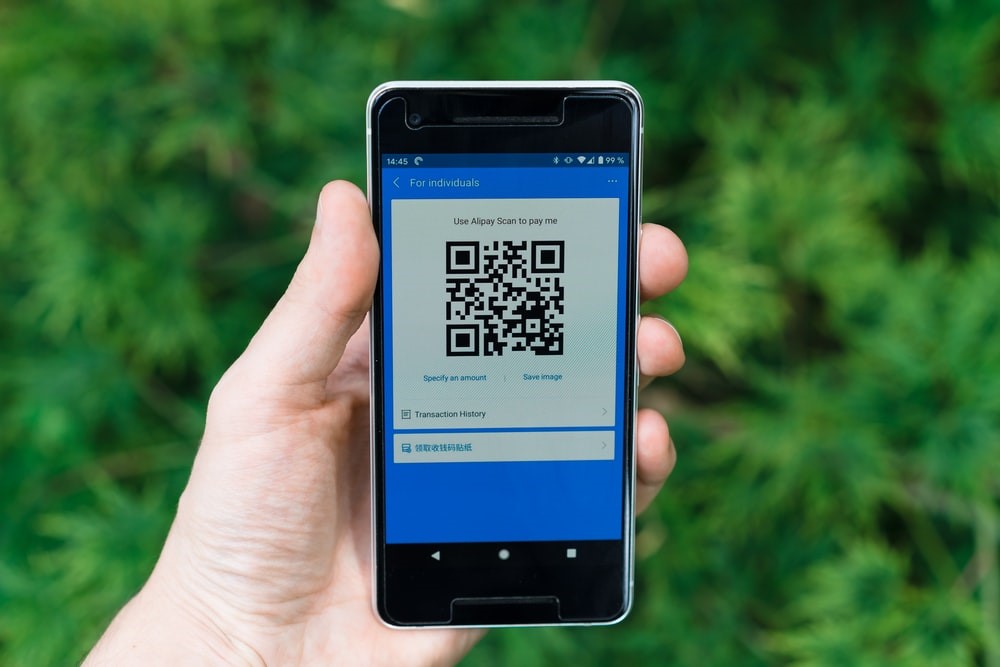
| Digital profiles and QR codes | Events, sales reps, local teams | The destination must stay useful |
| Payment and booking tools | Service businesses and creators | Fees and platform limits vary |
| Automation | Repeating admin tasks | Overautomation can feel impersonal |
What to include
Make the offer, audience, destination, and follow-up path explicit. A marketing page, profile, or ad should tell people who it is for, what they can do next, and why that action is worth taking now. If the topic depends on a platform, use the current official settings rather than copying old screenshots or old instructions.
Useful elements include:
- A single campaign or profile link that is easy to type, tap, or scan.
- A clear call to action, such as book, call, review, watch, buy, or request a quote.
- A tracking method that separates this campaign from normal website traffic.
- Current source links when the topic involves a third-party platform or payment option.
- A backup contact path for people who do not want to scan a QR code.
How to measure whether it worked
Measure the action that matters, not just attention. For a local campaign, that may be calls, direction requests, reviews, bookings, or quote forms. For a creator or YouTube workflow, it may be clicks to a primary profile, email signups, or product page visits. Keep the path short enough that the reader does not need to search again after the first click.
How to make it work in the real world
Look at the steps between first interest and purchase. If a customer has to copy a phone number, search for a link, wait for a reply, or re-enter details, technology can probably remove that delay. Focus on lead capture, reminders, booking, payment, and repeat communication.
Practical examples
- A sales team uses a shared digital profile template so every rep has current links.
- A service company uses QR codes on flyers to open a quote form.
- A retail team uses analytics to see which event scans turn into follow-up.
- A consultant uses booking links instead of manual email scheduling.
When the efficiency gain is selling strategy rather than buying it, the onboarding checklist in starting a social media consulting business is the better next read than another automation tool.
Useful campaign patterns
Use the idea in how technology improves business efficiency and sales only when the audience and next step are specific. A broad message can create awareness, but a focused message creates action. For example, a local service business might send people to a quote form, a creator might send viewers to a product collection, and a restaurant might send scanners to reservations or reviews.
A practical setup looks like this:
- One audience segment, not everyone.
- One offer or promise, not a full brochure.
- One destination page or profile, not a maze of links.
- One measurement point, such as call, booking, review, signup, or purchase.
- One follow-up owner who checks the responses.
Troubleshooting weak results
If the campaign gets views but not action, check the destination first. Slow pages, unclear offers, outdated contact details, and too many links are common causes. If the destination is strong but response is still weak, review the message, location, timing, and whether the audience had enough context to care. Small edits to the call to action often matter more than changing the whole campaign.
Common mistakes to avoid
Avoid buying tools before defining the workflow. Also avoid scattered links, outdated contact details, and platforms that only one person on the team understands.
Where Zapped fits
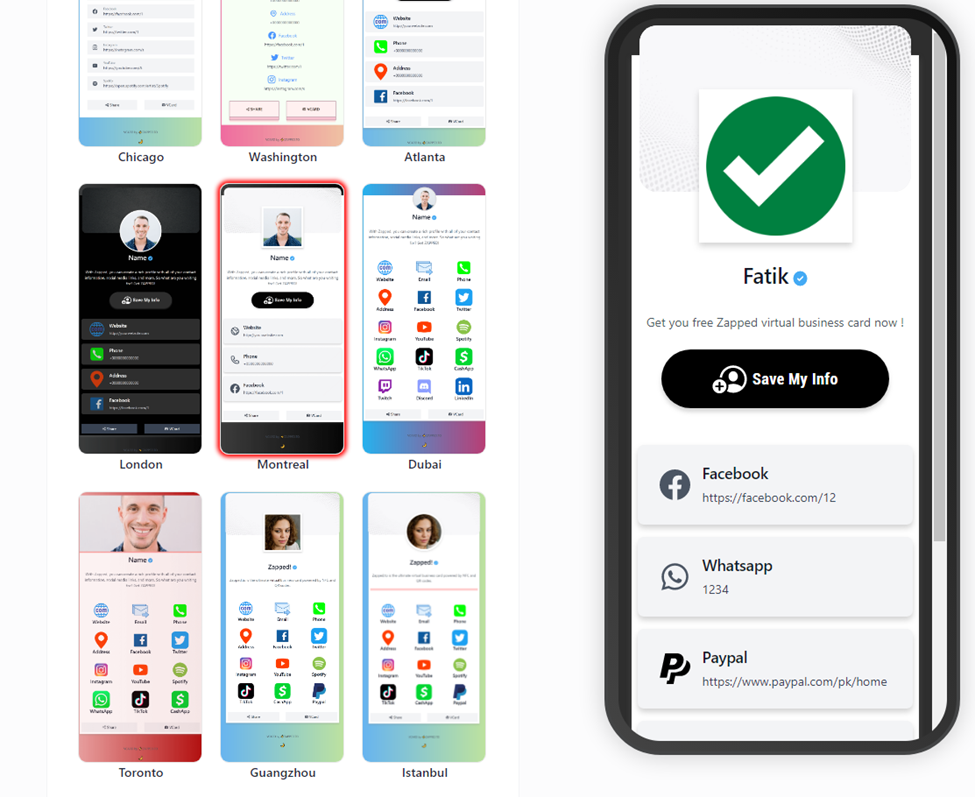
Zapped helps with the customer-facing side of efficiency. Teams can give every employee a live card with current contact details, booking links, files, payments, and analytics. Instead of reprinting materials every time something changes, the team updates one profile.
Before you publish or print
- List the five repeated tasks that slow sales follow-up.
- Choose one customer action to simplify first.
- Use one link or QR destination per campaign.
- Review analytics after events or campaigns.
FAQs
Is business technology worth it for small businesses?
It can be worth it when the campaign has a clear offer, tracking plan, and follow-up path. Without those, the channel can create attention without measurable sales.
How should I track results?
Use a dedicated URL, QR code, call tracking number, booking link, coupon, or landing page so the campaign has a visible response path.
Where should the campaign send people?
Send them to the most useful next step, such as a landing page, booking page, review page, profile, quote form, or product page.
How does a digital card help marketing?
A digital card keeps the follow-up page editable, so the printed material, QR code, or profile link does not become stale.
Sources
- Federal Trade Commission business guidance, advertising and marketing for truthful advertising principles.
- Google Business Profile Help for current local-business profile guidance.
- Zapped digital business card features for making campaign follow-up easier with one editable profile link.