Plain folks advertising tries to make a brand feel relatable, ordinary, and close to the audience. It can work, but it needs honesty.
Quick answer
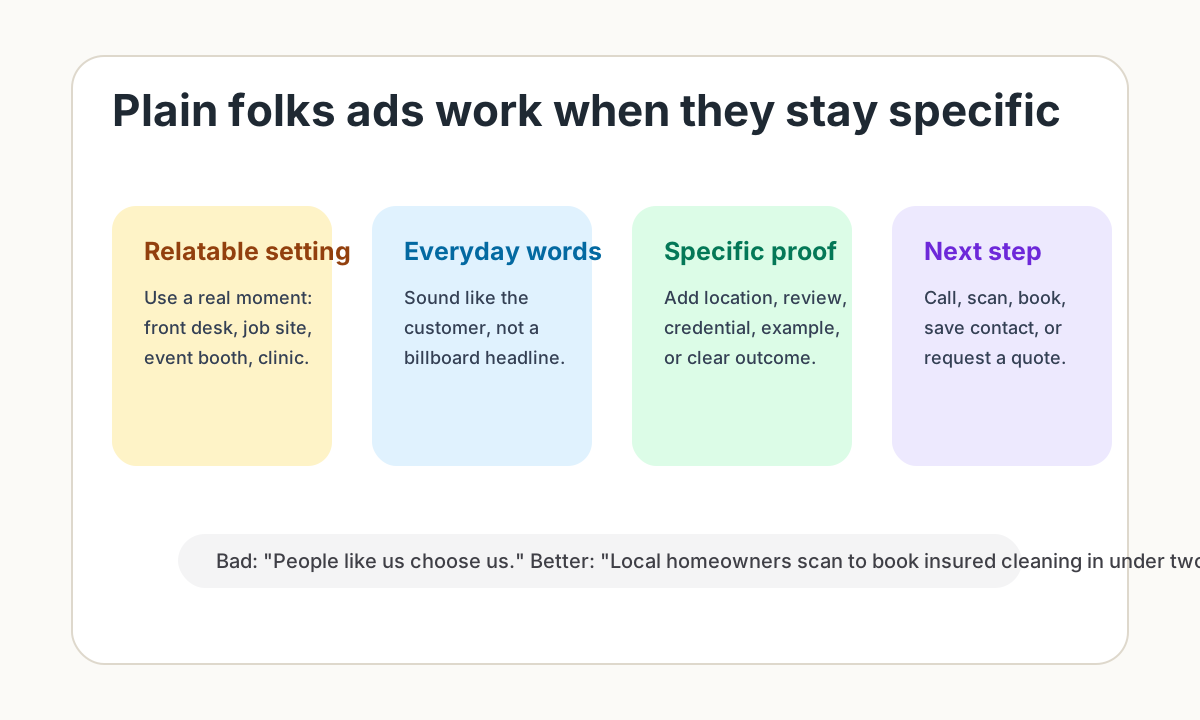
Plain folks advertising uses everyday language, familiar settings, and relatable people to make a message feel accessible. It works best when the product truly fits the audience and the claim remains specific.
Key takeaways
- Define the audience and the conversion action first.
- Use one destination link, QR code, or profile per campaign.
- Track the action that matters, such as calls, quotes, bookings, reviews, or sales.
- Keep claims specific and current rather than relying on hype.
What to decide first
Start with the campaign outcome. Awareness, lead generation, reviews, booking, and sales each need a different destination and measurement plan.
| Option | Best for | Watch out for |
|---|---|---|
| Direct link | Social, email, and video descriptions | Easy to ignore without a clear offer |
| QR code | Print, events, and outdoor campaigns | Needs a strong mobile destination |
| Landing page | Paid or measurable campaigns | Needs one focused action |
| Live profile | Several links or changing offers | Must stay organized |
What to include
Include the audience, offer, proof point, destination, and follow-up owner. If the topic involves pricing or platform rules, use current source checks and avoid presenting old numbers as universal facts.
Examples of plain folks advertising
| Example | Why it fits | What keeps it honest |
|---|---|---|
| A local plumber showing a real service call | Familiar setting and practical problem | Use real service details and avoid exaggerated guarantees |
| A grocery brand showing a family weekday dinner | Everyday routine and relatable need | Make the product benefit specific, such as time saved or ingredient quality |
| A realtor sharing a neighborhood open-house checklist | Local trust and simple advice | Show actual market context, not vague "dream home" claims |
| A fitness coach showing a beginner workout | Accessible routine instead of elite performance | Be clear about who the plan is for and what results require |
Plain folks messaging should feel grounded, not staged. The audience should recognize the situation and understand the next step without needing a hard sell.
How to use it well
Make the path short. If someone sees the ad or post, they should know what it offers, why it matters, and where to go next. A campaign with a memorable message but no follow-up path is hard to measure and easy to waste.
Decision examples
Choose the lowest-friction path for the audience. If someone is reading a social post, a direct profile link is enough. If someone sees an outdoor or print ad, a QR code or short URL helps. If someone is comparing services, send them to a page with proof, packages, and a way to ask a question. If someone already bought from you, send them to a review, reorder, or referral path.
This keeps the campaign practical. You are not asking every visitor to do everything. You are matching one context to one next step.
Practical examples
- A printed card uses a QR code to open a profile with current links.
- A service provider sends scans to a quote or booking path.
- A local business uses a review or directions link as the primary action.
- A team keeps employee cards consistent while allowing individual contact details.
Useful campaign patterns
Use plain folks advertising, meaning and examples with a clear business model. The same tactic can be useful or wasteful depending on the offer behind it. A local service business may need calls and quote requests. A creator may need product clicks or email subscribers. A consultant may need booked calls. Pick the outcome first, then shape the message.
A strong campaign usually includes:
- A specific audience segment.
- A reason to act now or remember the brand.
- A destination that matches the promise in the ad or post.
- A way to measure response separately from normal traffic.
- A follow-up routine for people who click, call, scan, or reply.
Troubleshooting weak results
If results are weak, check the destination before changing the channel. A slow page, unclear offer, outdated profile, or too many choices can waste otherwise good attention. If the destination is strong, review timing, creative, audience fit, and whether the call to action matches what the viewer is ready to do. Small changes to the first screen often produce more improvement than rewriting the whole campaign.
Common mistakes to avoid
Avoid unclear calls to action, stale links, tiny type, broad claims, untested QR codes, and destinations that do not match the promise on the card or campaign.
Where Zapped fits
Zapped helps when this topic needs one editable destination behind a card, QR code, NFC tap, social profile, email signature, or campaign. You can keep the physical or social touchpoint simple while the live profile carries contact details, booking, reviews, files, payments, videos, and analytics.
Before you publish or share
- Test every QR code, NFC tap, link, and button on a phone.
- Check the first screen for one clear action.
- Update old screenshots, platform steps, or pricing context before publishing.
- Make sure the related profile or landing page matches the reader intent.
FAQs
Is plain folks advertising, meaning and examples still useful?
Yes, when it helps someone take the next step faster. The format matters less than the clarity of the offer, contact path, and follow-up destination.
Should I use a QR code?
Use a QR code when the next step is easier on a phone. Test it before printing, keep enough white space around it, and send people to a mobile-friendly page.
Can I use a digital card instead of print?
You can use a digital card by itself for online sharing, but print still helps in face-to-face moments. Many businesses use both.
How often should I update the linked page?
Update it whenever your offer, contact details, portfolio, booking link, pricing context, or campaign changes.
Sources
- Federal Trade Commission business guidance, advertising and marketing for truth-in-advertising principles.
- U.S. Small Business Administration, marketing and sales for general campaign planning guidance.
- Zapped digital business card features for turning offline or social attention into a tracked profile visit.